Thursday, October 17, 2024

PP Sheets in Food Industry: Safety and Efficiency Combined

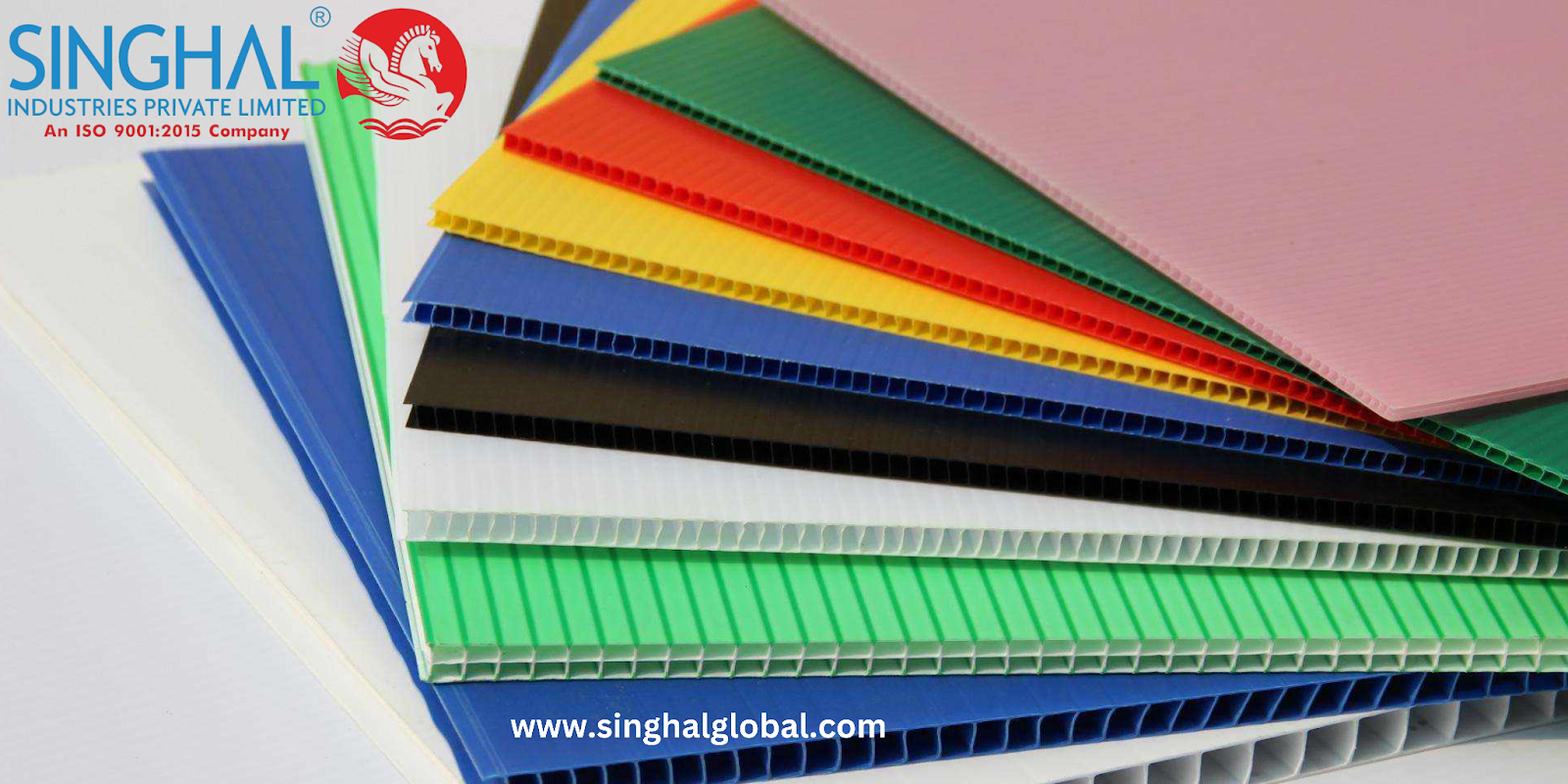
 In the fast-paced world of the food industry, ensuring the safety and efficiency of packaging materials is paramount. Among the various packaging options available, PP Sheets, or polypropylene sheets, have emerged as a reliable and versatile solution. From preserving the quality of PP sheet suppliers to enhancing operational efficiency, PP Sheets are making significant strides in revolutionizing food packaging. Let’s delve into how these sheets are setting new standards for safety and efficiency in the food industry.


What are PP Sheets?

Polypropylene (PP) sheets are thermoplastic polymers known for their remarkable properties, including high durability, chemical resistance, and lightweight nature. These sheets are manufactured through an extrusion process, which involves melting polypropylene granules and forming them into thin, flat sheets. Due to their unique characteristics, PP sheet manufacturers have found widespread applications across various industries, including automotive, construction, and most notably, the food industry.

Ensuring Food Safety

One of the primary concerns in the food industry is maintaining the safety and hygiene of food products. PP Sheets excel in this regard due to their non-toxic and food-grade nature. These sheets do not release harmful chemicals, ensuring that the food products remain safe for consumption. Moreover, PP sheets are resistant to moisture, oils, and chemicals, making them an ideal choice for packaging perishable items, processed foods, and beverages. The impermeability of PP Sheets prevents contamination, ensuring that the food products are kept fresh and safe throughout their shelf life.

Durability and Strength

PP Sheets are renowned for their exceptional strength and durability. Unlike other packaging materials that may easily tear or puncture, PP Sheets offer robust protection for food products. This durability ensures that the packaging can withstand the rigors of transportation and handling, reducing the risk of damage and spoilage. The sturdiness of PP Sheets also translates to cost savings for businesses, as they do not have to frequently replace damaged packaging.

Lightweight and Cost-Effective

In the food industry, weight is a critical factor that affects both transportation costs and environmental impact. PP Sheets are lightweight, which significantly reduces the overall weight of packaged goods. This reduction in weight leads to lower transportation costs and decreased fuel consumption, contributing to a smaller carbon footprint. Additionally, the cost-effectiveness of PP Sheets makes them an attractive option for businesses looking to optimize their packaging expenses without compromising on quality.

Versatility in Applications

The versatility of PP Sheets is one of their standout features. These sheets can be easily molded and fabricated into various shapes and sizes, catering to the diverse packaging needs of the food industry. Whether it’s for packaging fresh produce, dairy products, meat, or baked goods, PP Sheets can be customized to meet specific requirements. The flexibility of these sheets also allows for creative packaging designs that enhance the visual appeal of food products, attracting more consumers.

Temperature Resistance

Food products often require packaging that can withstand different temperature conditions, from freezing to high heat. PP Sheets exhibit excellent temperature resistance, making them suitable for a wide range of applications. They can be used in refrigerated environments without becoming brittle, and they can also endure higher temperatures during the packaging process. This adaptability ensures that PP Sheets maintain their integrity and performance, regardless of the temperature conditions they are exposed to.

Enhancing Operational Efficiency

In the fast-paced food industry, operational efficiency is crucial for meeting production demands and ensuring timely delivery. PP Sheets contribute to this efficiency by streamlining the packaging process. The ease of handling and fabrication of these sheets reduces packaging time and labor costs. Additionally, the consistency and uniformity of PP Sheets ensure that automated packaging systems can operate smoothly, minimizing downtime and maximizing productivity. Businesses can benefit from increased efficiency and reduced operational expenses by incorporating PP Sheets into their packaging processes.

Environmental Sustainability

Sustainability is a growing concern in the food industry, and PP Sheets offer a more eco-friendly packaging solution. Polypropylene is a recyclable material, and many manufacturers produce PP Sheets using recycled polypropylene, further reducing environmental impact. The reusability and recyclability of these sheets align with the principles of sustainable packaging, helping businesses reduce their ecological footprint. By choosing PP Sheets, companies can demonstrate their commitment to sustainability and appeal to environmentally conscious consumers.

Compliance with Regulatory Standards

The food industry is subject to stringent regulations and standards to ensure the safety and quality of food products. PP Sheets meet these regulatory requirements, providing businesses with a compliant packaging solution. These sheets are manufactured in accordance with food safety standards, ensuring that they do not pose any health risks to consumers. The transparency and traceability of PP Sheets also allow businesses to maintain accountability and adhere to industry regulations.

The Future of PP Sheets in the Food Industry

As the food industry continues to evolve, the demand for innovative and efficient packaging solutions will only increase. PP Sheets are well-positioned to meet this demand, offering a blend of safety, durability, and sustainability. Ongoing advancements in material science are likely to further enhance the properties of PP Sheets, making them even more PP sheet manufacturer and effective. From improved barrier properties to enhanced recyclability, the future holds exciting possibilities for PP Sheets in the food industry.

In conclusion, PP Sheets are leading the way in the future of food packaging by combining safety and efficiency. Their non-toxic and food-grade nature ensures the safety of food products, while their durability and strength provide robust protection. The lightweight and cost-effective nature of PP Sheets contribute to reduced transportation costs and environmental impact. Their versatility, temperature resistance, and operational efficiency make them a valuable asset for businesses in the food industry. As the industry moves towards sustainable practices, PP Sheets offer an eco-friendly packaging solution that meets regulatory standards. With continued innovation and advancements, PP Sheets are set to play a pivotal role in shaping the future of food packaging.

Frequently Asked Questions (FAQs):

How do PP Sheets from Singhal Industries ensure the safety of food products? 

PP Sheets from Singhal Industries are non-toxic and food-grade, making them an ideal choice for packaging food products. They do not release harmful chemicals and are resistant to moisture, oils, and chemicals, which helps in preventing contamination. This ensures that the food products remain fresh and safe for consumption throughout their shelf life.

Why are PP Sheets from Singhal Industries considered a cost-effective packaging solution? 

Singhal Industries’ PP Sheets are lightweight, which significantly reduces transportation costs and fuel consumption. Their durability means they can withstand the rigors of transportation and handling, reducing the need for frequent replacements. This combination of factors makes them a cost-effective option for businesses looking to optimize their packaging expenses without compromising on quality.

What makes Singhal Industries’ PP Sheets environmentally sustainable? 

PP Sheets from Singhal Industries are made from recyclable polypropylene. The reusability and recyclability of these sheets help reduce waste and the need for new plastic production. Additionally, many of these sheets are produced using recycled polypropylene, further decreasing their environmental impact and aligning with sustainable packaging practices.

Friday, October 11, 2024

Why PP Fibrillated Yarn is Perfect for High-Tensile Applications

 In the world of industrial materials, finding a product that offers both strength and flexibility can be a challenge. However, polypropylene (PP) fibrillated yarn has emerged as a go-to solution for PP yarn manufacturers in india high-tensile applications. This versatile material is used in numerous industries, including agriculture, construction, and packaging, thanks to its durability and cost-effectiveness.


In this blog, we’ll take a closer look at why PP fibrillated yarn is ideal for high-tensile applications, examining its characteristics, benefits, and wide range of uses.

What is PP Fibrillated Yarn?

PP fibrillated yarn is a type of synthetic fiber made from polypropylene. The term "fibrillated" refers to the process by which the yarn is created. During the fibrillation process, the polypropylene material is split into fine, web-like strands that interlock with each other, resulting in a strong and PP yarn manufacturer. This structure not only enhances the yarn’s strength but also increases its surface area, making it perfect for high-tensile applications.

PP fibrillated yarn is lightweight, strong, and resistant to chemicals, UV radiation, and moisture. Its high tensile strength makes it ideal for tasks requiring load-bearing capability, while its fibrillated structure provides grip and stability in various conditions.

Key Features of PP Fibrillated Yarn

The popularity of PP fibrillated yarn in high-tensile applications can be attributed to its unique properties. Here are some of its key features:

  1. High Tensile Strength
    One of the most important features of PP fibrillated yarn is its exceptional tensile strength. This makes it ideal for applications where the material will be under constant stress or pressure. The yarn can endure high loads without stretching or breaking, which is crucial for demanding industrial applications.
  2. Lightweight and Flexible
    Despite its strength, PP fibrillated yarn is incredibly lightweight. This makes it easy to handle, transport, and install. Its flexibility allows it to be used in applications that require a certain level of adaptability, such as tying, securing, or netting.
  3. UV and Chemical Resistance
    PP fibrillated yarn is resistant to UV rays and chemicals, making it suitable for outdoor applications or environments where exposure to harsh conditions is common. This ensures that the yarn does not degrade quickly when exposed to sunlight or chemicals, contributing to its long-lasting performance.
  4. Cost-Effective
    Compared to other materials with similar tensile strength, PP fibrillated yarn is highly cost-effective. Its lower production cost, combined with its durability and versatility, makes it a more affordable option for a wide range of industries.
  5. Moisture Resistance
    PP fibrillated yarn is resistant to water, which means it doesn’t absorb moisture or weaken when exposed to wet conditions. This makes it ideal for applications in agriculture, marine environments, and other industries where the yarn may come into contact with water.

High-Tensile Applications of PP Fibrillated Yarn

Thanks to its robust properties, PP fibrillated yarn is used in a variety of high-tensile applications. Below are some key industries and uses where the yarn’s strength and versatility are essential.

1. Agriculture

PP fibrillated yarn is commonly used in agriculture, particularly in applications like binding crops, securing greenhouse structures, and creating trellises. Its high tensile strength ensures that it can hold heavy loads without snapping, making it ideal for supporting plants and other agricultural products. Additionally, its resistance to moisture and UV exposure makes it perfect for use in outdoor settings.

In baling applications, PP fibrillated yarn is often used to tie together large bundles of crops, hay, or straw. The yarn’s strength ensures that it holds up under tension, even when the load is heavy or damp.

2. Construction

In the construction industry, PP fibrillated yarn is used to reinforce concrete, create geotextiles, and provide support in various structural applications. For example, the yarn can be woven into fabrics that are used to reinforce soil, stabilize embankments, and prevent erosion.

PP fibrillated yarn is also employed in scaffolding and tying materials together. Its ability to withstand high tensile forces makes it suitable for holding construction materials securely in place, even in challenging conditions.

3. Packaging

In the packaging industry, PP fibrillated yarn is used to create strong, durable bags and sacks that can hold heavy items without tearing. The yarn’s tensile strength is ideal for applications where the packaging needs to support significant weight. It’s commonly used for products like grain, fertilizer, sand, and other bulk materials.

The yarn’s flexibility and ability to maintain strength even when wet make it an excellent material for industrial sacks and containers that may be exposed to moisture during transportation or storage.

4. Marine and Fishing

PP fibrillated yarn’s resistance to moisture and chemicals makes it a popular choice for marine and fishing applications. It’s often used to create fishing nets, ropes, and other gear that needs to endure the harsh conditions of the sea. The yarn’s high tensile strength ensures that it can withstand the constant pulling and tension encountered in marine environments.

5. Sports and Recreation

PP fibrillated yarn is also used in sports applications, particularly for creating durable nets for tennis courts, soccer fields, and other recreational activities. The yarn’s strength ensures that the nets can withstand the impact of balls and players without losing their shape or tearing.

Additionally, the yarn’s UV resistance makes it suitable for outdoor sports facilities, where exposure to sunlight is inevitable. This helps ensure that the nets maintain their durability and performance even after prolonged exposure to the elements.

Benefits of Using PP Fibrillated Yarn for High-Tensile Applications

Now that we’ve explored some of the key applications of PP fibrillated yarn, let’s summarize the benefits of using this material for high-tensile purposes.

  • Durability: PP fibrillated yarn is designed to last, even in harsh conditions. Its resistance to chemicals, UV radiation, and moisture ensures that it maintains its strength over time, making it a reliable choice for long-term applications.
  • Flexibility: The yarn’s flexibility makes it easy to work with, whether you’re tying materials, creating nets, or reinforcing structures. This adaptability is particularly useful in industries where different levels of tension or load-bearing are required.
  • Cost Efficiency: PP fibrillated yarn provides an affordable solution for industries that require high-tensile materials. Its lower cost compared to other synthetic fibers, combined with its durability, makes it a cost-effective option for a wide range of uses.
  • Environmentally Friendly Options: Many manufacturers, including brands like Singhal Industries, offer eco-friendly options for PP fibrillated yarn made from recycled materials. This allows industries to use strong, durable yarn while contributing to environmental sustainability.

Conclusion

PP fibrillated yarn is a highly versatile and durable material that excels in high-tensile applications. Whether you’re working in agriculture, construction, packaging, or marine environments, this yarn offers a combination of strength, flexibility, and cost-effectiveness that makes it ideal for Polypropylene yarn in India tasks. Its ability to withstand harsh conditions, resist moisture, and maintain its integrity under stress makes it a valuable asset in numerous industries.

For those looking for a reliable, high-tensile material, PP fibrillated yarn provides the perfect solution. Its strength, durability, and affordability ensure that it will continue to play a vital role in various high-tensile applications for years to come.

Frequently Asked Questions (FAQs):

  1. What makes PP fibrillated yarn from Singhal Industries ideal for high-tensile applications?
    PP fibrillated yarn from Singhal Industries is known for its exceptional tensile strength, flexibility, and durability. These qualities make it perfect for applications requiring strong load-bearing capabilities while maintaining its form and functionality even under extreme pressure. Additionally, it resists moisture, chemicals, and UV exposure, making it suitable for various demanding environments.
  2. In which industries can Singhal Industries’ PP fibrillated yarn be used?
    Singhal Industries’ PP fibrillated yarn is versatile and widely used across various industries, including agriculture, construction, packaging, marine, and sports. Its strength and flexibility make it ideal for tasks such as reinforcing concrete, securing crops, tying materials in packaging, and crafting durable nets for sports or fishing applications.
  3. How does Singhal Industries ensure the durability of their PP fibrillated yarn?
    Singhal Industries manufactures PP fibrillated yarn using high-quality polypropylene and advanced fibrillation techniques. This ensures that the yarn remains durable in harsh environments, resisting UV rays, chemicals, and moisture. Its construction allows for long-lasting performance in outdoor applications and under constant stress, making it a reliable choice for high-tensile needs.

Thursday, October 10, 2024

Sustainable Practices: Recycling and Reusing PP Woven Bags

 In recent years, sustainability has become a crucial focus for individuals, businesses, and communities worldwide. As the world grapples with the consequences of plastic waste, innovative solutions are emerging to reduce our environmental impact. Among these solutions, polypropylene PP woven bag manufacturer have gained popularity due to their durability and versatility. This blog explores sustainable practices related to recycling and reusing PP woven bags, emphasizing their benefits and the role they play in promoting a greener future.


Understanding PP Woven Bags

PP woven bags are made from polypropylene, a type of thermoplastic polymer. They are commonly used for packaging in various industries, including agriculture, retail, and construction. Their woven structure provides strength and flexibility, making them suitable for carrying heavy loads and PP woven bags supplier products from damage. Unlike traditional plastic bags, which often end up in landfills or oceans, PP woven bags are designed for reuse and recycling, making them an eco-friendlier option.

The Importance of Recycling PP Woven Bags

Reducing Plastic Waste

One of the primary benefits of recycling PP woven bags is the significant reduction of plastic waste. According to the United Nations, around 300 million tons of plastic are produced annually, with a large portion ending up in landfills and oceans. By recycling PP woven bags, we can divert this waste from our environment, mitigating the harmful effects of plastic pollution.

Conserving Resources

Recycling PP woven bags also conserves valuable resources. The production of new plastic materials requires significant amounts of energy, water, and raw materials. By reprocessing used bags into new products, we can reduce the demand for virgin materials and lower the overall environmental impact associated with production.

Lowering Greenhouse Gas Emissions

The process of recycling PP woven bags can significantly decrease greenhouse gas emissions. Manufacturing new plastic products generates a considerable carbon footprint, while recycling typically requires less energy. According to the Environmental Protection Agency (EPA), recycling can prevent the release of nearly 186 million metric tons of carbon dioxide equivalent into the air. This reduction is vital for combating climate change and promoting a healthier planet.

Best Practices for Recycling PP Woven Bags

1. Check for Recycling Facilities

Before recycling PP woven bags, it is essential to check for local recycling facilities that accept them. Not all recycling centers process polypropylene, so it is crucial to find a facility that does. Many communities have specific guidelines for recycling different types of plastics, including woven bags. Look for information from your local waste management authority to ensure proper disposal.

2. Clean and Dry the Bags

Before recycling, ensure that the PP woven bags are clean and dry. Contaminants such as food residue or liquids can compromise the recycling process and lead to contamination. Rinse the bags thoroughly and allow them to dry completely before placing them in the recycling bin.

3. Store and Collect Used Bags

Establish a dedicated space at home or in the workplace to store used PP woven bags. Having a designated area encourages proper collection and makes it easier to transport the bags to a recycling facility. Consider using a reusable container to store the bags, further promoting a sustainable mindset.

4. Advocate for Local Recycling Initiatives

Encouraging local businesses and governments to implement recycling programs for PP woven bags can significantly impact sustainability efforts. Advocate for more recycling options in your community and educate others about the benefits of recycling. Engaging with local stakeholders can help create a network of support for recycling initiatives.

The Benefits of Reusing PP Woven Bags

1. Reducing Environmental Impact

Reusing PP woven bags is one of the simplest ways to reduce your environmental footprint. By opting to use the same bag multiple times, you can help minimize the demand for new bags and decrease plastic waste. This practice is particularly beneficial in industries where packaging plays a significant role, such as agriculture and retail.

2. Cost-Effectiveness

For businesses, reusing PP woven bags can lead to significant cost savings. Purchasing new bags for each use can add up over time, but reusing bags can help reduce packaging costs. Companies can allocate their resources more efficiently by adopting a sustainable approach.

3. Versatility in Use

PP woven bags are incredibly versatile, making them ideal for various applications. They can be used for transporting goods, storing items, or even as shopping bags. Their durability allows them to withstand wear and tear, making them a reliable choice for multiple uses. Creative individuals can also repurpose old bags into DIY projects, such as tote bags, planters, or storage solutions.

4. Promoting a Sustainable Culture

By reusing PP woven bags, individuals and businesses contribute to a culture of sustainability. When people see others adopting eco-friendly practices, they are more likely to follow suit. Promoting the use of reusable bags can inspire a collective effort towards reducing waste and protecting the environment.

Educating Others About Sustainable Practices

Raising awareness about the importance of recycling and reusing PP woven bags is crucial for creating a sustainable future. Here are some strategies to educate others:

1. Share Information on Social Media

Utilize social media platforms to share tips and information about recycling and reusing PP woven bags. Create engaging content, such as infographics or videos, that highlight the benefits of these practices. Encourage followers to participate in discussions and share their experiences.

2. Host Workshops or Community Events

Organizing workshops or community events focused on sustainability can be an effective way to educate others. These events can cover topics such as recycling, repurposing, and the benefits of using PP woven bags. Engaging the community fosters collaboration and collective action towards sustainable practices.

3. Collaborate with Local Businesses

Partnering with local businesses can amplify efforts to promote recycling and reusing practices. Encourage stores to offer discounts for customers who bring their reusable bags, creating an incentive for sustainable behavior. Collaborative efforts can lead to greater community impact and awareness.

Conclusion

PP woven bags represent a sustainable alternative to traditional packaging materials. By implementing best practices for recycling and reusing these bags, we can significantly reduce plastic waste, conserve resources, and lower greenhouse gas emissions. Woven plastic bags awareness and educating others about the importance of these practices is vital for fostering a culture of sustainability. As individuals and businesses adopt these eco-friendly practices, we move closer to a greener, healthier planet. By embracing recycling and reusing, we contribute to a future where sustainable living becomes the norm, benefiting generations to come.

Frequently Asked Questions (FAQs):

What are PP woven bags and why are they a sustainable choice?
PP woven bags, produced by Singhal Industries, are made from polypropylene, a durable and flexible thermoplastic material. They are considered a sustainable choice because they are designed for reuse and recycling, significantly reducing plastic waste compared to traditional single-use plastic bags. By opting for PP woven bags, consumers contribute to environmental conservation while enjoying the benefits of a strong and reliable packaging solution.

How can I properly recycle PP woven bags from Singhal Industries?
To recycle PP woven bags from Singhal Industries, first check with your local recycling facilities to ensure they accept polypropylene materials. Before recycling, make sure to clean and dry the bags to avoid contamination. Store the used bags in a dedicated container until you're ready to take them to a recycling center. By following these steps, you help minimize waste and promote a sustainable recycling process.

What are the best practices for reusing PP woven bags provided by Singhal Industries?
The best practices for reusing PP woven bags from Singhal Industries include using them for various purposes, such as shopping, storage, or transporting goods. Establishing a dedicated area for collecting and storing these bags encourages their reuse. Additionally, consider repurposing old bags for DIY projects. By integrating these practices into daily life, consumers can contribute to reducing environmental impact and promoting sustainability.

Wednesday, October 9, 2024

Discovering the Versatility and Benefits of PP Sheets

When it comes to versatile materials for various industries, PP (Polypropylene) sheets stand out. Known for their durability, cost-effectiveness, and adaptability, PP sheet manufacturer in India are widely used in packaging, construction, and many other applications. In this article, we’ll dive into the world of PP sheets, exploring their uses, benefits, and why they are a smart choice for multiple applications.

Exploring the World of PP Sheets

Introduction to PP Sheets

PP sheets have become indispensable in various industries due to their flexibility and resilience. Let's explore why this material has gained so much popularity.

What Are PP Sheets?

PP sheets are flat, flexible sheets made from Polypropylene, a thermoplastic polymer that offers numerous advantages in terms of durability, versatility, and cost.

Definition and Composition

Polypropylene sheets are created through a process called extrusion. This method involves melting down PP granules, which are then formed into sheets of varying thicknesses and sizes.

Why Choose PP Sheets?

Benefits of PP Sheets Over Other Materials

One of the main reasons to choose PP sheets is their adaptability. They can be used across various industries, making them a go-to choice for applications that demand durability, chemical resistance, and flexibility.

Popular Applications of PP Sheets

Packaging

PP sheets are a staple in the packaging industry due to their strength and lightweight properties. They are ideal for creating boxes, trays, and other packaging materials.

Construction

In the construction world, PP sheets are utilized for wall cladding, protective barriers, and insulation. Their water-resistant and durable nature makes them perfect for such applications.

Automotive Industry

PP sheets are often used in the automotive sector for interior components due to their resistance to chemicals and general wear and tear.

Stationery and Office Supplies

PP sheets are commonly used to create folders, binders, and other office supplies. Their flexibility allows for easy cutting and shaping, making them ideal for these products.

Types of PP Sheets

There are several types of PP sheets available, each suited to different applications:

Solid PP Sheets

Solid PP sheets are durable and often used for structural purposes. They are more rigid and provide excellent impact resistance.

Corrugated PP Sheets

These sheets are lightweight and have a fluted design, providing added strength. They are often used for packaging and as protective layers.

Textured PP Sheets

Textured PP sheets are commonly used in situations where slip resistance is required, such as in flooring or protective surfaces.

Durability and Strength of PP Sheets

One of the most significant benefits of PP sheets is their strength-to-weight ratio. They are lightweight yet remarkably strong, which makes them ideal for applications that require both flexibility and durability.

Environmental Impact of PP Sheets

Recyclability

PP sheets are recyclable, which makes them an eco-friendly choice compared to other materials. They can be repurposed, reducing the overall environmental impact.

Environmental Benefits

Since they are made from recyclable materials and last a long time, PP sheets manufacturer contribute to sustainability efforts in industries that prioritize eco-friendly solutions.

Key Features of PP Sheets

Lightweight

PP sheets are known for being lightweight, which makes them easy to handle and transport, reducing costs in logistical operations.

Chemical Resistance

Another notable property of PP sheets is their resistance to most chemicals. This makes them a preferred choice in environments where exposure to chemicals is frequent.

Flexibility and Toughness

Despite being flexible, PP sheets are tough and resilient, making them ideal for applications that require a material that can withstand physical stress.

How to Choose the Right PP Sheets for Your Needs

Consider the Application

Before purchasing PP sheets, it's essential to consider the specific application. The thickness and type of sheet needed will depend on where and how it will be used.

Check Specifications

Always check the technical specifications of the PP sheets, such as thickness, density, and resistance properties, to ensure they meet your requirements.

PP Sheets Pricing and Affordability

PP sheets are often more affordable than other materials with similar properties, making them a cost-effective solution for businesses and consumers alike.

Maintaining PP Sheets

To extend the lifespan of PP sheets, regular cleaning and proper storage are essential. Avoid prolonged exposure to direct sunlight, as this can cause the material to degrade over time.

Challenges of Using PP Sheets

UV Sensitivity

One drawback of PP sheets is their sensitivity to UV rays, which can cause them to become brittle over time. Using UV-resistant additives can mitigate this issue.

Limited Thermal Resistance

PP sheets have a limited range of thermal resistance, making them unsuitable for high-temperature applications.

Tips for Buying Quality PP Sheets

When purchasing PP sheets, look for reputable manufacturers and suppliers. Check reviews and ensure that the product meets industry standards.

Future Trends in the PP Sheets Market

As industries continue to seek sustainable and cost-effective materials, the demand for PP sheets price is expected to grow. Innovations in recycling and material enhancements are likely to shape the future of this market.

Conclusion

PP sheets offer a unique combination of durability, flexibility, and affordability, making them ideal for various industries. Whether for packaging, construction, or automotive use, PP sheets stand out as a versatile and valuable material.

Frequently Asked Questions

1. What are the main benefits of using PP sheets?
PP sheets are lightweight, durable, and resistant to chemicals, making them ideal for a variety of applications.

2. Can PP sheets be recycled?
Yes, PP sheets are recyclable, which makes them an eco-friendly choice for industries prioritizing sustainability.

3. What industries commonly use PP sheets?
PP sheets are widely used in packaging, construction, automotive, and stationery industries due to their versatility and durability.

4. Are PP sheets UV resistant?
While standard PP sheets are not UV resistant, additives can be applied to enhance their resistance to UV rays.

5. How can I ensure I am buying quality PP sheets?
Look for reputable manufacturers, check product specifications, and read customer reviews to ensure quality.


Tuesday, October 8, 2024

Innovative Uses for PP Jumbo Bags Beyond Packaging

 PP (polypropylene) jumbo bags, often known for their durability and capacity for bulk storage, have become a staple in various industries. While their primary function is to hold and transport goods, these bags offer a range of innovative applications that go PP jumbo bags conventional packaging. In this blog, we’ll explore the diverse uses of PP jumbo bags in various fields, highlighting their versatility and practicality.


What Are PP Jumbo Bags?

PP jumbo bags are large, flexible containers made from woven polypropylene fabric. They are designed to hold heavy loads and are commonly used for transporting bulk materials such as grains, fertilizers, and PP jumbo bag. Their robust construction makes them resistant to tearing and puncturing, allowing them to carry significant weight without compromising integrity.

However, the strength and versatility of these bags extend far beyond their initial purpose, making them valuable in various innovative applications.

1. Agricultural Applications

One of the most significant uses of PP jumbo bags is in agriculture. Farmers and agricultural suppliers have found innovative ways to use these bags beyond simple grain storage. For instance, they can be used for:

  • Soil and Mulch: PP jumbo bags can store and transport soil, mulch, and compost. This provides a convenient way for gardeners and landscapers to buy bulk soil amendments without needing to carry heavy loads.
  • Seed Storage: The bags can be used to store seeds securely. Their breathable fabric helps to prevent moisture accumulation, ensuring that seeds remain dry and viable for planting.
  • Harvesting: Farmers often use PP jumbo bags during the harvest season to collect fruits and vegetables. Their large capacity allows for easy collection, reducing the number of trips needed to transport crops.

2. Construction and Building Material Storage

In the construction industry, PP jumbo bags have proven to be incredibly useful. They serve various purposes, including:

  • Cement and Aggregate Storage: These bags are perfect for storing cement and aggregates, such as sand and gravel. Their robust design ensures that they can hold heavy materials without breaking or spilling.
  • Debris Collection: During construction projects, debris and waste can accumulate quickly. PP jumbo bags can be used to collect and transport construction waste, making clean-up easier and more efficient.
  • Protection of Materials: Builders often use PP jumbo bags to protect sensitive materials from moisture and dust. They can be used to cover materials like tiles or wood, ensuring they remain in pristine condition until they are needed.

3. Home and Garden Uses

PP jumbo bags can also be beneficial in various home and garden applications. Here are a few innovative uses:

  • Garden Waste Collection: These bags are ideal for collecting leaves, grass clippings, and other garden waste. Their large capacity allows gardeners to fill them without constantly needing to empty them.
  • Storage Solutions: Homeowners can use PP jumbo bags for storage. Whether it’s seasonal clothing, toys, or sports equipment, these bags offer a durable solution for keeping items organized and protected.
  • Planters: Some creative gardeners have transformed PP jumbo bags into makeshift planters. By filling them with soil and planting seeds, they can create vertical gardens or container gardens that save space and enhance aesthetics.

4. Environmental Protection

PP jumbo bags are also being utilized for environmental initiatives:

  • Erosion Control: In environmental conservation projects, these bags can be filled with soil or sand and placed strategically to help control erosion on slopes and riverbanks. They provide a temporary barrier that can stabilize soil and prevent runoff.
  • Containment for Hazardous Materials: In cases of spills or leaks, PP jumbo bags can be used to contain hazardous materials. Their sturdy construction helps prevent leaks and spills from spreading, providing a safe solution for waste management.
  • Recycling and Waste Management: PP jumbo bags can be used in recycling initiatives, helping to collect and transport recyclable materials. Their durability ensures that they can withstand the rigors of transportation and handling.

5. Event Management and Decorations

Event planners have found innovative ways to incorporate PP jumbo bags into their workflows:

  • Decoration and Display: These bags can be creatively used as decoration elements at events. With a little creativity, they can be painted or wrapped in fabric to match event themes, creating unique visual displays.
  • Waste Management at Events: During large gatherings, PP jumbo bags can be strategically placed for waste collection. This encourages attendees to dispose of trash properly and aids in maintaining a clean environment.
  • Seating Solutions: At outdoor events, such as concerts or festivals, PP jumbo bags can be filled with soft materials to create temporary seating. This innovative approach offers a comfortable solution for guests while adding a creative touch to the event.

6. Transportation and Logistics

In logistics, PP jumbo bags have proven to be invaluable for transporting goods efficiently:

  • Intermodal Shipping: PP jumbo bags can be utilized in intermodal shipping, where goods are transported in various shipping modes without changing the packaging. This flexibility allows for easier handling and loading onto ships, trains, or trucks.
  • Palletizing: These bags can be easily palletized, making them ideal for warehouse storage. The bags stack efficiently, maximizing storage space and optimizing warehouse organization.
  • Bulk Material Distribution: Companies can distribute bulk materials, such as chemicals or feed, using PP jumbo bags. Their durability ensures that products reach customers in excellent condition.

7. Craft and DIY Projects

For the crafty and DIY enthusiasts, PP jumbo bags offer a treasure trove of possibilities:

  • Craft Projects: These bags can be repurposed for various craft projects, such as tote bags, storage bins, or even art installations. Their fabric can be cut and sewn, offering a sustainable material for creative endeavors.
  • DIY Greenhouses: Some gardeners use PP jumbo bags to create mini greenhouses. By filling them with soil and seeds and placing them in sunny spots, they can create small, effective growing environments.
  • Animal Bedding: PP jumbo bags can be filled with straw or shredded paper to create bedding for pets or livestock, offering a comfortable and cost-effective solution.

Conclusion

PP jumbo bags are not just limited to packaging; their versatility makes them valuable in various sectors. From agriculture to construction and even creative DIY projects, these bags offer innovative solutions that contribute to efficiency, sustainability, and creativity. As industries continue to explore new ways to use PP jumbo bags, their significance Jumbo jumbo bag, reinforcing their role as an essential tool in modern applications.

By embracing the innovative uses of PP jumbo bags, businesses and individuals can maximize their functionality while promoting sustainable practices. Whether you're a farmer, builder, event planner, or DIY enthusiast, these bags have something to offer, proving that their potential goes far beyond mere packaging.

Frequently Asked Questions (FAQs):

What are PP jumbo bags and what makes them suitable for various industries?
PP jumbo bags, manufactured by Singhal Industries, are large containers made from woven polypropylene fabric known for their strength and durability. These bags are designed to hold heavy loads and are commonly used in agriculture, construction, and logistics. Their robust construction ensures they can withstand significant weight without tearing or puncturing, making them an ideal choice for transporting bulk materials like grains, fertilizers, and building supplies.

How can PP jumbo bags contribute to environmental sustainability?
Singhal Industries’ PP jumbo bags are not only designed for efficiency but also for environmental sustainability. These bags can be reused multiple times, reducing waste generated from single-use packaging. Additionally, they can be used in erosion control and waste management initiatives, helping to protect the environment. Their ability to contain hazardous materials during spills further highlights their role in promoting sustainable practices.

Are there innovative ways to use PP jumbo bags outside of traditional packaging?
Absolutely. Singhal Industries’ PP jumbo bags can be creatively repurposed for various applications beyond their primary function. They can serve as planters in gardens, temporary seating at events, or storage solutions for seasonal items. Additionally, they are effective for collecting garden waste, managing construction debris, and even serving as a craft material for DIY projects, showcasing their versatility across different sectors.

Thursday, October 3, 2024

Protecting Your Products: The Durability of PP Jumbo Bags

 When it comes to packaging and transporting goods, choosing the right bag can make a world of difference. Among the many options available, PP jumbo bags stand out due to their impressive durability, versatility, and cost-effectiveness. In this blog, we will explore the durability of PP jumbo bags, their benefits, applications, and why they are an excellent choice for protecting your products.


Understanding PP Jumbo Bags

PP jumbo bags, also known as bulk bags or FIBCs (Flexible Intermediate Bulk Containers), are made from woven polypropylene (PP) fabric. This material is known for its high tensile strength and durability, making it ideal for holding a variety of products, including granules, PP jumbo bag, and even heavy materials. Jumbo bags are designed to carry large quantities of goods, typically ranging from 500 to 2,000 kilograms, depending on the bag's design and specifications.

The structure of PP jumbo bags typically includes a top filling spout, a bottom discharge spout, and four corner loops for easy handling and lifting. This design not only provides convenience but also ensures that the bags can withstand the rigors of transportation and storage.

The Durability of PP Jumbo Bags

1. High Tensile Strength

One of the primary factors that contribute to the durability of PP jumbo bags is their high tensile strength. The woven polypropylene fabric used in these bags is designed to withstand significant weight without tearing or deforming. This is particularly important when transporting heavy or bulky products. The fabric's strength ensures that the bags maintain their shape and integrity, reducing the risk of product spillage or damage during transit.

2. Resistance to Environmental Factors

PP jumbo bags are engineered to resist various environmental factors that can compromise the quality of the products they contain. For instance, they offer excellent resistance to moisture, UV radiation, and chemicals. This makes them suitable for storing and transporting products in various industries, including agriculture, construction, and chemicals.

  • Moisture Resistance: The woven polypropylene material is inherently moisture-resistant, protecting the contents from water damage. This is particularly beneficial for products that are sensitive to moisture, such as fertilizers, grains, and chemicals.
  • UV Resistance: Many PP jumbo bags come with UV stabilization, which helps prevent degradation from prolonged exposure to sunlight. This is crucial for outdoor storage and transport, ensuring that the bags remain strong and reliable.
  • Chemical Resistance: PP bags are resistant to a wide range of chemicals, making them suitable for handling various substances without compromising their integrity.

3. Load-Bearing Capacity

The design of PP jumbo bags allows them to bear heavy loads while maintaining structural integrity. The corner loops facilitate safe lifting and handling, enabling forklifts or cranes to easily transport the bags without the risk of tearing. Additionally, the bags can be stacked, maximizing storage efficiency without compromising safety.

4. Reusability and Sustainability

PP jumbo bags are not only durable but also reusable, making them an environmentally friendly choice. With proper care, these bags can be used multiple times, reducing waste and promoting sustainability. Many manufacturers, like Singhal Industries, emphasize the importance of recycling and reusing PP bags, further contributing to eco-friendly practices in packaging.

5. Cost-Effectiveness

Investing in durable packaging solutions is essential for businesses looking to protect their products while minimizing costs. PP jumbo bags are an economical option due to their longevity and reusability. While the initial investment may be higher than other types of packaging, the durability and efficiency of PP jumbo bags often result in long-term savings.

Applications of PP Jumbo Bags

PP jumbo bags are versatile and widely used across various industries, thanks to their durability and capacity. Some common applications include:

1. Agriculture

In agriculture, PP jumbo bags are used for storing and transporting grains, seeds, fertilizers, and animal feed. Their moisture and UV resistance protect the contents from environmental damage, ensuring the quality of agricultural products.

2. Construction

In the construction industry, these bags are utilized for carrying sand, gravel, cement, and other bulk materials. The high load-bearing capacity of PP jumbo bags ensures safe transport and handling of heavy materials, while their resistance to environmental factors protects the contents.

3. Chemical and Pharmaceutical Industries

PP jumbo bags are ideal for storing and transporting chemicals and pharmaceuticals due to their chemical resistance and ability to prevent contamination. These bags are designed to meet safety standards, ensuring the secure handling of hazardous materials.

4. Food Industry

In the food industry, PP jumbo bags are used for packaging ingredients such as sugar, flour, and other bulk food items. Their moisture resistance and ability to maintain product integrity make them a popular choice for food packaging.

Best Practices for Using PP Jumbo Bags

To maximize the durability and effectiveness of PP jumbo bags, it is essential to follow certain best practices:

1. Proper Handling

Always use the designated lifting points when moving jumbo bags. This helps distribute weight evenly and prevents tearing or damage during transport. Avoid dragging bags across rough surfaces to maintain their integrity.

2. Storage Conditions

Store PP jumbo bags in a dry, cool place, away from direct sunlight and extreme temperatures. This prevents degradation of the material and ensures the bags remain strong over time.

3. Regular Inspection

Conduct regular inspections of the bags for signs of wear and tear. Promptly replace any damaged bags to ensure product safety and integrity.

4. Cleaning and Maintenance

If you plan to reuse PP jumbo bags, clean them thoroughly after each use. Remove any residues and contaminants to prevent cross-contamination in future uses.

Conclusion

PP jumbo bags are an excellent choice for businesses looking to protect their products during storage and transport. Their high durability, resistance to environmental factors, and versatility make them a reliable packaging solution across various industries. By following best practices for handling and storage, companies can maximize the longevity of these bags, ultimately leading to cost savings and enhanced Jumbo jumbo bag. For businesses seeking high-quality PP jumbo bags, partnering with a reputable manufacturer like Singhal Industries can ensure you receive durable and effective packaging solutions tailored to your specific needs.

In summary, investing in PP jumbo bags is not just a practical choice; it is a strategic decision that pays off in terms of product protection, sustainability, and cost-effectiveness. Whether in agriculture, construction, or any other industry, these bags are sure to meet your packaging demands and exceed your expectations.

Frequently Asked Questions (FAQs):

What are the key benefits of using PP jumbo bags for packaging?
PP jumbo bags offer several key benefits, including high tensile strength, moisture and UV resistance, and excellent load-bearing capacity. These features ensure that your products are well-protected during storage and transportation. Singhal Industries provides high-quality PP jumbo bags designed to meet the specific needs of various industries, enhancing product safety and efficiency.

How can I ensure the longevity of my PP jumbo bags?
To maximize the longevity of your PP jumbo bags, it is essential to handle them properly by using the designated lifting points and avoiding dragging them on rough surfaces. Additionally, store the bags in a dry, cool place away from direct sunlight and inspect them regularly for any signs of wear and tear. Singhal Industries recommends cleaning the bags thoroughly after each use if they are intended for reuse, which helps maintain their integrity and performance.

What industries commonly use PP jumbo bags, and what are their applications?
PP jumbo bags are widely used across various industries, including agriculture, construction, chemicals, and food. In agriculture, they store grains and fertilizers, while in construction, they carry heavy materials like sand and gravel. The chemical and pharmaceutical industries utilize these bags for safely transporting hazardous materials, and they are also used in the food industry for packaging bulk food ingredients. Singhal Industries provides tailored solutions to meet the unique requirements of these diverse applications.

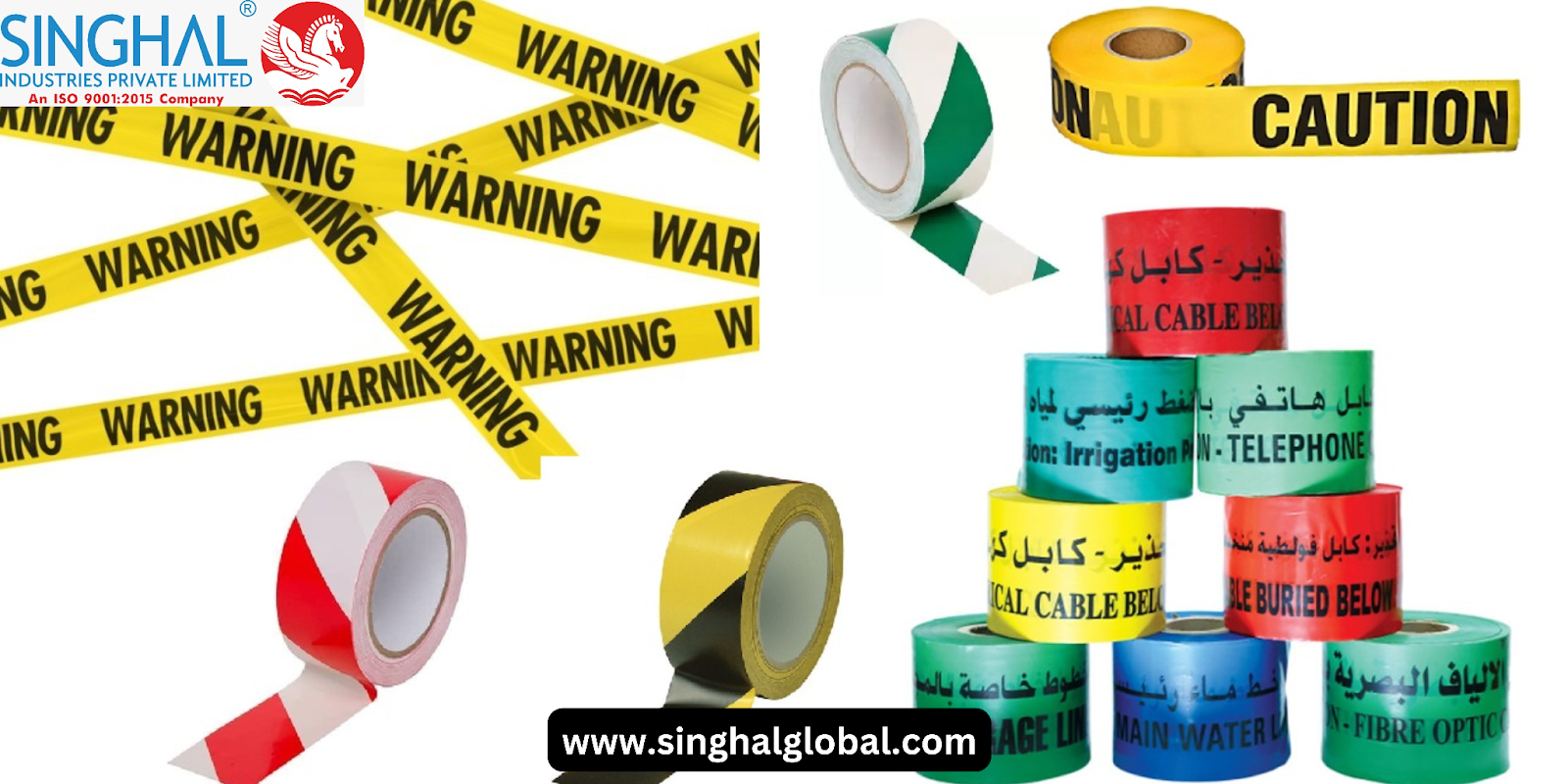
Understanding Warning Tape are Essential Safety Tools for a Secure Environment

Warning tape is an essential component of safety protocols across numerous industries, from construction to event management, and even withi...