Showing posts with label grow bags. Show all posts

Wednesday, September 13, 2023

Grow Bags: The Sustainable Solution for Plant Growth


In the world of gardening and agriculture, Singhal Industries Private Limited has introduced a game-changer – grow bags. These eco-friendly containers, made from recycled plastic, are revolutionizing the way we nurture plants both indoors and outdoors. In this comprehensive article, we will explore the features, benefits, applications, and care tips for these innovative grow bags.


The Manufacturer: Singhal Industries Private Limited

Before we delve into the details of grow bags, let's get acquainted with the best grow bags manufacturer, Singhal Industries Private Limited. This renowned company is committed to sustainability and has taken a significant step in that direction by producing these environmentally responsible grow bags.


Features of Grow Bags

Made from Recycled Plastic

One of the standout features of these grow bags is their eco-conscious construction. They are crafted from recycled plastic, reducing waste and contributing to a cleaner environment. This sustainable approach aligns with the growing trend of environmentally responsible gardening practices.


Durable and Reusable

Singhal Industries' grow bags are built to last. Their durability ensures that you can reuse them season after season, making them a cost-effective and sustainable choice for gardeners and farmers alike.


Variety of Sizes and Shapes

Whether you're growing a small herb garden on your balcony or managing a large-scale commercial farm, these grow bags come in a variety of sizes and shapes to meet your specific needs. From compact options for home gardening to spacious bags for agricultural endeavors, there's a size for everyone.


Ideal for Indoor and Outdoor Use

Versatility is another strong suit of grow bags for plants. They are suitable for both indoor and outdoor plant cultivation. Whether you have limited outdoor space or prefer indoor gardening, these bags are adaptable to various environments.


Benefits of Using Grow Bags

Reduces Soil Erosion

Grow bags offer excellent soil stability. They prevent soil erosion, especially in outdoor settings where wind and heavy rain can displace topsoil. This benefit is crucial for maintaining the health of your garden or farm.


Improves Drainage

Proper drainage is vital for plant health. Grow bags provide optimal drainage, preventing waterlogging and root rot. Your plants will thrive with improved moisture management.


Extends Plant Lifespan

Plants grown in grow bags tend to have longer lifespans. The controlled environment and consistent moisture levels promote healthier and more vigorous growth.


Minimizes Pest and Disease Problems

Grow bags can be an effective barrier against common garden pests and diseases. Their elevated position discourages ground-dwelling pests, and the use of clean, fresh soil reduces the risk of soil-borne diseases.


Easy to Transport and Store

One of the most convenient aspects of grow bag gardening is their portability. You can effortlessly move them around to optimize sunlight exposure or protect plants from extreme weather conditions. When not in use, they are easy to stack and store.


Applications of Grow Bags

Vegetable Gardening

Grow bags are perfect for growing vegetables, whether you have a small kitchen garden or a larger farming operation. Their versatility allows you to cultivate a wide range of crops.


Flower Gardening

Gardeners who love to showcase vibrant blooms will find grow bags an excellent choice for nurturing their floral treasures. The controlled environment ensures flowers reach their full potential.


Herb Gardening

Herb enthusiasts will appreciate the convenience of grow bags for cultivating a variety of herbs. Have fresh basil, mint, and parsley at your fingertips for culinary delights.


Hydroponics

For those inclined towards hydroponic gardening, grow bags provide an easy and efficient growing medium. Their structure facilitates the circulation of nutrient-rich water.


Commercial Farming

Commercial farmers can benefit significantly from using grow bags. They offer a scalable solution for producing crops efficiently and sustainably.


Care and Maintenance of Grow Bags

To ensure the longevity of your grow bags and the health of your plants, it's essential to follow these care and maintenance tips:


Clean and Disinfect Regularly: Periodically clean and disinfect your grow bags to prevent the buildup of pathogens and pests.


Replace Damaged Bags: If you notice any signs of damage or wear and tear in your grow bags, replace them promptly to avoid compromising plant health.


In conclusion, Singhal Industries Private Limited's grow bags are a sustainable and versatile solution for all your gardening and farming needs. With their eco-friendly construction, durability, and numerous benefits, they are changing the way we nurture plants. Whether you're a home gardener or a commercial farmer, these grow bags offer a greener and more efficient way to cultivate crops and beautify your surroundings.


FAQs (Frequently Asked Questions)


Are grow bags suitable for indoor herb gardening?


Absolutely! Grow bags are ideal for indoor herb cultivation, providing a controlled environment for your herbs to thrive.

Can I use grow bags for organic farming?


Yes, grow bags are compatible with organic farming practices. You can fill them with organic soil and cultivate crops without synthetic pesticides or fertilizers.

How often should I clean and disinfect my grow bags?


Cleaning and disinfecting your grow bags every growing season is recommended to maintain plant health.

Do grow bags come with drainage holes?


Yes, most grow bags come with drainage holes to ensure proper moisture management for your plants.

Can I reuse grow bags for multiple seasons?


Yes, grow bags are designed for reuse. Ensure they are cleaned and disinfected between seasons for optimal results.


Monday, July 31, 2023

How to Use Grow Bags for Plants: A Step-By-Step Guide

 Introduction

If you're a gardening enthusiast looking for an efficient and space-saving way to grow bags for plants, then using grow bags might be the perfect solution for you. Grow bags are versatile, lightweight, and allow for excellent aeration and drainage, making them ideal for various plants. In this step-by-step guide, we will explore the benefits of using grow bags, the process of selecting the right bags, and how to use them effectively for your plants.


1. What are Grow Bags?

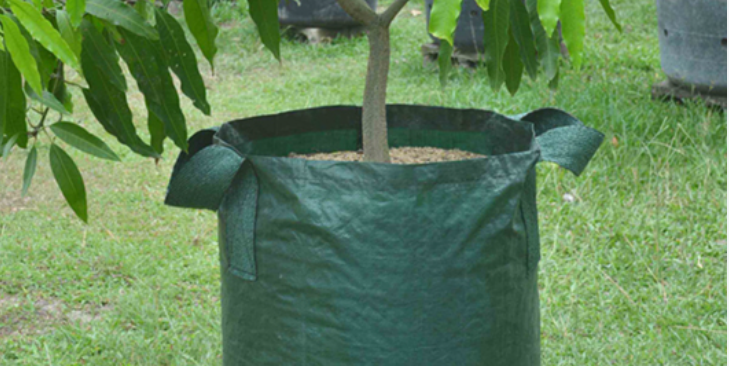
Grow bags are lightweight, breathable containers designed for growing plants. They are typically made from durable materials like fabric, which ensures proper aeration and prevents root circling, resulting in healthier root systems. Grow bags come in various sizes and shapes, making them suitable for different types of plants and gardening spaces.


2. Advantages of Using Grow Bags

Grow bags offer several advantages over traditional planting methods:


Excellent Drainage: The breathable material of grow bags allows excess water to drain efficiently, preventing waterlogged soil and root rot.

Aeration: The porous fabric encourages air pruning of roots, preventing root-bound plants and promoting healthy root growth.

Portability: Grow bags are lightweight and have sturdy handles, making them easy to move around as needed.

Space-Saving: Grow bags can be placed in tight spaces, such as balconies or small gardens, maximizing planting options.

Temperature Regulation: The breathable fabric helps regulate the temperature of the soil, protecting roots from extreme heat or cold.


3. Selecting the Right Grow Bags

To ensure successful plant growth, it's essential to choose the right grow bags. Consider the following factors when selecting them:


3.1 Material

The most common materials used for grow bags are fabric and plastic. Fabric grow bags promote better aeration and drainage, while plastic bags are more affordable but may require additional drainage holes.


3.2 Size

Choose the appropriate size of grow bags depending on the plants you intend to grow. Larger plants will need more space for their roots to spread, while smaller ones can thrive in smaller bags.


3.3 Handles

Sturdy handles make it easier to move the bags when needed, especially if you plan to rearrange your garden.


3.4 Drainage Holes

Ensure the grow bags have sufficient drainage holes to prevent waterlogging, which can be detrimental to plant health.


4. Preparing Grow Bags for Planting

Before planting, it's essential to prepare the grow bags properly to create an optimal environment for your plants.


4.1 Sterilization

Clean the grow bags thoroughly to remove any contaminants and pathogens that might harm the plants.


4.2 Soil Mixture

Create a well-balanced soil mixture using a combination of garden soil, compost, and perlite to ensure proper nutrition and drainage.


4.3 Moistening the Soil

Moisten the soil mixture adequately before planting to provide a welcoming environment for the plant's roots.


5. Planting in Grow Bags

Proper planting techniques are crucial to the success of your plants in grow bags.


5.1 Choosing the Right Plants


Select plants that are well-suited for grow bags. Vegetables, herbs, and flowers are great choices.


5.2 Planting Technique

Gently place the plants into the grow bags, making sure not to damage their roots.


5.3 Spacing

Ensure adequate spacing between plants to avoid overcrowding, which can lead to competition for nutrients and sunlight.


5.4 Watering

Water the plants appropriately, keeping the soil consistently moist but not waterlogged.


5.5 Mulching

Apply a layer of organic mulch on the soil surface to retain moisture and suppress weeds.


6. Placement and Sunlight

Place the grow bags in a location that receives sufficient sunlight according to the plant's requirements. Some plants may need full sun, while others thrive in partial shade.


7. Fertilizing Your Plants

To promote healthy growth, plants in grow bags require regular fertilization.


7.1 Organic Fertilizers

Organic fertilizers, such as compost or fish emulsion, provide essential nutrients and improve soil structure.


7.2 Synthetic Fertilizers


If using synthetic fertilizers, follow the manufacturer's instructions carefully to avoid over-fertilization.


8. Watering Tips

Regularly check the moisture level in the grow bags and adjust watering accordingly, considering weather conditions and plant needs.


9. Pruning and Maintenance

Regularly prune the plants to remove dead or damaged parts and promote better airflow and growth.


10. Harvesting from Grow Bags

Harvest your produce at the appropriate time to enjoy fresh and flavorful crops.


11. Reusing and Recycling Grow Bags

After harvesting, clean and store the grow bags for future use. Alternatively, some grow bags are recyclable.


12. Common Mistakes to Avoid

Avoid common pitfalls, such as overwatering, poor soil preparation, and selecting unsuitable plants.


13. Troubleshooting Plant Issues

Identify and address common plant issues, such as pests, diseases, and nutrient deficiencies.


14. Safety and Environmental Considerations

Practice safe gardening habits and consider the environmental impact of your gardening choices.


15. Conclusion

Using grow bags for planting is a fantastic way to grow a variety of plants efficiently and effectively. The breathable material, excellent drainage, and portability make them an excellent choice for gardeners with limited space. By following the step-by-step guide provided in this article, you can create a thriving garden in grow bags and enjoy the rewards of your efforts.


FAQs


Can I reuse grow bags for multiple growing seasons?

Yes, many grow bags are reusable and can be cleaned and stored for future use.


How often should I water plants in grow bags?

Watering frequency depends on various factors, including plant type, weather conditions, and bag size. Check the soil moisture regularly and water when needed.


What plants are suitable for grow bags?

Various vegetables, herbs, and flowers can be grown in grow bags. Some popular choices include tomatoes, peppers, basil, and marigolds.


Do I need to fertilize plants in grow bags?

Yes, regular fertilization is essential for the health and growth of plants in grow bags. You can choose between organic and synthetic fertilizers based on your preferences.


Are grow bags better than traditional pots?

Grow bags offer advantages such as better aeration, drainage, and space-saving capabilities compared to traditional pots, making them a popular choice among gardeners.


Useful Articles Link 


Understanding Warning Tape are Essential Safety Tools for a Secure Environment

Warning tape is an essential component of safety protocols across numerous industries, from construction to event management, and even withi...