Wednesday, October 2, 2024

Maximizing the Potential of PP Sheets in Various Applications

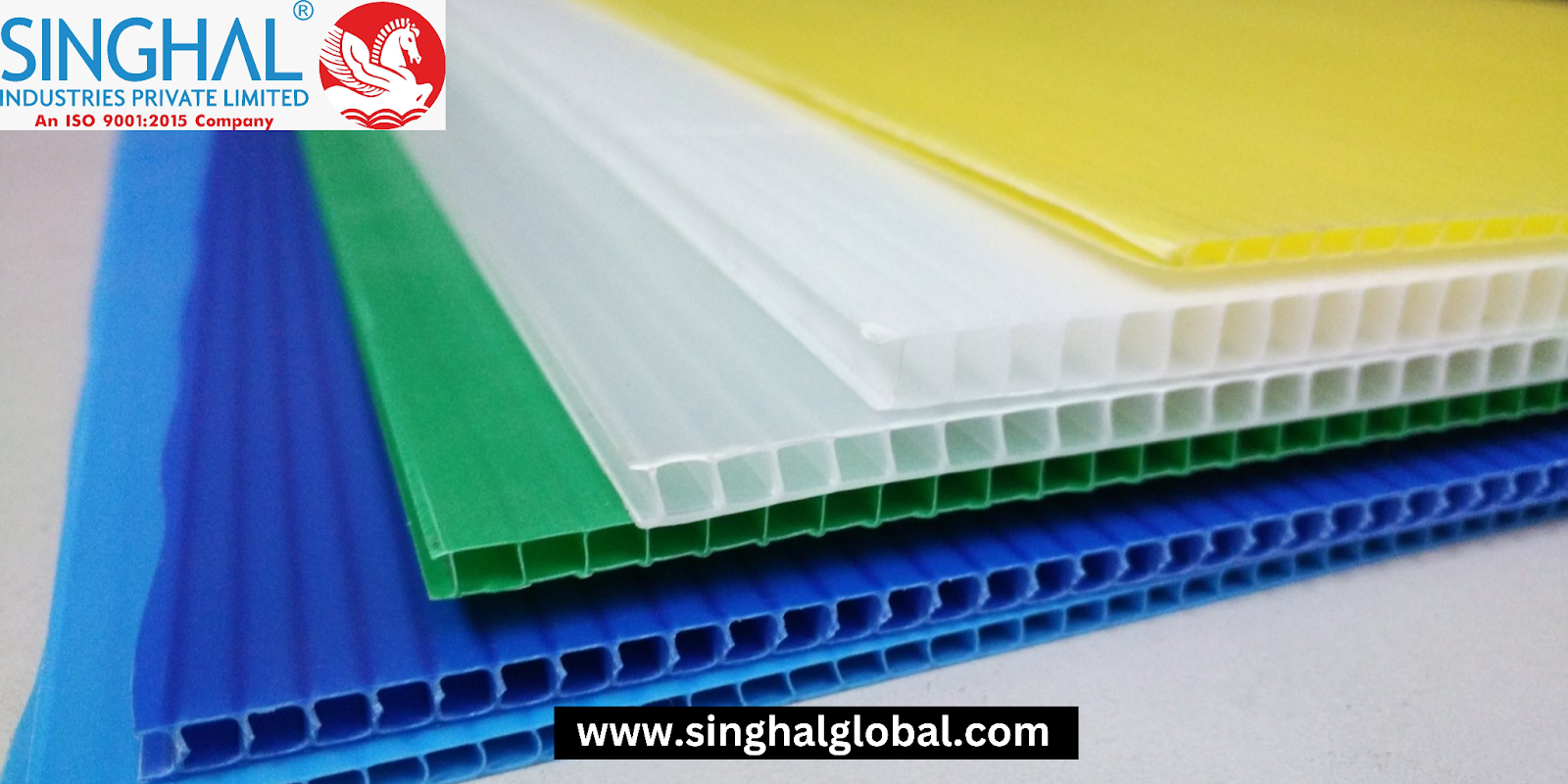
PP (Polypropylene) sheets are versatile plastic sheets made from the polymerization of propylene. Known for their lightweight, durability, and resistance to various chemicals, PP sheet manufacturer in India have become a popular choice in many industries.

Relevance in Various Industries
The versatility of PP sheets has made them relevant in fields such as packaging, automotive, construction, and healthcare. Their unique properties allow them to cater to diverse applications, making them a staple material in many sectors.

Types of PP Sheets

Clear PP Sheets
Clear PP sheets are transparent and ideal for applications requiring visibility. They are often used in packaging and displays, offering protection while showcasing products.

Opaque PP Sheets
These sheets are non-transparent and provide excellent privacy. Opaque PP sheets are commonly used in products that need to conceal their contents.

Colored PP Sheets
Available in various colors, colored PP sheets are used for aesthetic purposes and can help in branding and product differentiation.

Foamed PP Sheets
Foamed PP sheets are lightweight and offer excellent cushioning properties. They are often used in packaging fragile items, ensuring safe transport.

Key Features of PP Sheets

Durability and Flexibility
PP sheets are renowned for their durability, resisting cracks and breaking under pressure. Their flexibility also allows them to be molded into various shapes without compromising strength.

Chemical Resistance
These sheets can withstand exposure to many chemicals, making them suitable for use in laboratories and manufacturing processes.

Lightweight Nature
The lightweight characteristic of PP sheets makes them easy to handle and transport, reducing overall shipping costs.

Weather Resistance
PP sheets are resistant to moisture and UV radiation, which enhances their usability in outdoor applications.

4. Applications of PP Sheets

Packaging Solutions
PP sheets are widely used in the packaging industry due to their strength and flexibility. They are utilized for making boxes, containers, and protective packaging.

Automotive Components
In the automotive industry, PP sheets are used for making dashboards, interior trims, and other components due to their lightweight and durable nature.

Construction Industry
PP sheets are employed in construction for wall panels, signage, and other applications that require sturdy yet lightweight materials.

Medical Uses
In healthcare, PP sheets are used for creating sterile packaging and medical devices, ensuring safety and hygiene.

Household Items
Many everyday items, such as storage boxes and organizers, are made from PP sheets, highlighting their practicality in household settings.

Benefits of Using PP Sheets

Cost-Effectiveness
PP sheets are generally more affordable than other plastic materials, making them an attractive option for many businesses.

Environmentally Friendly Options
Recyclable and reusable, PP sheets manufacturer are a more sustainable choice for businesses looking to minimize their environmental impact.

Customization Capabilities
PP sheets can be easily customized in terms of size, color, and thickness, catering to specific customer needs.
PP Sheets Price Factors

Market Demand
The price of PP sheets can fluctuate based on market demand and availability, with higher demand often leading to increased prices.

Thickness and Size Variations
Prices vary depending on the thickness and size of the sheets, with larger and thicker sheets generally costing more.

Supplier Dynamics
The pricing strategies of different manufacturers can affect the overall market price, making it essential to shop around for the best deals.

How to Choose the Right PP Sheets

Assessing Specific Needs
Understanding your specific requirements, such as strength, flexibility, and intended use, will guide you in selecting the right type of PP sheet.

Quality Considerations
It is crucial to assess the quality of the PP sheets, ensuring they meet industry standards for performance and safety.

Maintenance and Care for PP Sheets

Cleaning Tips
PP sheets are easy to clean with mild soap and water, making maintenance straightforward. Avoid abrasive cleaners that can scratch the surface.

Storage Recommendations
Store PP sheets in a cool, dry place to prevent warping or damage from environmental factors.

Expert Insights

Industry Expert Quotes
“PP sheets are transforming the way industries approach lightweight and durable materials. Their adaptability is what makes them so appealing.” - Industry Expert

Future Outlook for PP Sheets

Emerging Trends
The demand for sustainable materials is driving innovations in PP sheets, leading to developments in recycling processes and biocompatible options.

Technological Innovations
Advancements in manufacturing techniques are making it possible to produce PP sheets price with enhanced properties, catering to a broader range of applications.

Conclusion

PP sheets offer numerous advantages, from versatility and durability to cost-effectiveness. They are utilized in various industries and are an essential material for many applications. As the demand for lightweight and sustainable materials continues to grow, PP sheets will play a significant role in shaping the future of several industries.

FAQs about PP Sheets

What are the benefits of using PP sheets?
The benefits include cost-effectiveness, chemical resistance, environmental friendliness (being recyclable), and customization options in terms of size, color, and thickness.

How do I choose the right PP sheets for my needs?
To choose the right PP sheets, assess your specific requirements such as strength, flexibility, intended use, and quality standards. Consulting with manufacturers can also provide guidance.

How should I clean and maintain PP sheets?
PP sheets can be cleaned with mild soap and water. Avoid abrasive cleaners that can scratch the surface. For storage, keep them in a cool, dry place to prevent warping.

Are PP sheets environmentally friendly?
Yes, PP sheets are recyclable and reusable, making them a more sustainable choice compared to many other plastic materials.

What factors affect the price of PP sheets?
Prices are influenced by market demand, variations in thickness and size, and the pricing strategies of different manufacturers.


Saturday, September 28, 2024

Eco-Friendly Innovations in PP Jumbo Bag Production

 In an era where sustainability is at the forefront of consumer preferences and environmental responsibility, the packaging industry has seen a significant transformation. Among the various packaging options, polypropylene (PP) jumbo bags have emerged as a popular choice for PP jumbo bags across multiple sectors, including agriculture, construction, and retail. This blog delves into the eco-friendly innovations in PP jumbo bag production, highlighting how these advancements are making a positive impact on the environment while meeting the diverse needs of businesses.


Understanding PP Jumbo Bags

PP jumbo bags, often referred to as bulk bags or FIBCs (Flexible Intermediate Bulk Containers), are large, durable bags designed for the transportation and storage of bulk materials. Made from woven polypropylene fabric, these bags can hold significant weight and are ideal for PP jumbo bag agricultural products, chemicals, grains, and construction materials. Their versatility and strength make them a preferred choice for various industries.

While PP jumbo bags are already favored for their durability and cost-effectiveness, the growing demand for eco-friendly packaging solutions has led manufacturers to explore sustainable production practices. This shift not only benefits the environment but also enhances brand reputation and consumer loyalty.

The Environmental Impact of Traditional Packaging

Traditional packaging materials, such as plastic bags and containers, contribute significantly to environmental pollution. They are often single-use, leading to increased waste in landfills and oceans. The production of these materials typically involves the use of fossil fuels, resulting in high carbon emissions and resource depletion. In contrast, eco-friendly innovations in PP jumbo bag production focus on reducing environmental impact through sustainable materials, efficient manufacturing processes, and recycling initiatives.

Innovations in Sustainable Materials

One of the key innovations in the production of PP jumbo bags is the use of sustainable materials. Manufacturers are increasingly adopting recycled polypropylene in their production processes. Recycled polypropylene is derived from post-consumer waste, such as discarded plastic products. By utilizing recycled materials, manufacturers can significantly reduce their reliance on virgin plastic, thereby minimizing the carbon footprint associated with raw material extraction and processing.

Additionally, some manufacturers are exploring biopolymer alternatives that are biodegradable or compostable. These materials offer an environmentally friendly option for businesses looking to minimize their impact on the planet. By integrating these sustainable materials into their product offerings, companies can appeal to eco-conscious consumers and contribute to a circular economy.

Energy-Efficient Manufacturing Processes

Innovations in manufacturing processes also play a crucial role in the eco-friendliness of PP jumbo bags. Many manufacturers are investing in energy-efficient machinery and technologies that reduce energy consumption during production. For instance, advanced weaving techniques can produce stronger and lighter bags, requiring less material without compromising quality. This not only reduces waste but also lowers energy costs associated with manufacturing.

Moreover, manufacturers are adopting cleaner production methods that minimize emissions and pollutants. By implementing practices such as using water-based adhesives instead of solvent-based ones, they can decrease harmful emissions released into the atmosphere. These changes contribute to a healthier workplace and a cleaner environment.

Waste Reduction Initiatives

Another significant aspect of eco-friendly innovations in PP jumbo bag production is waste reduction. Many manufacturers are adopting zero-waste practices, aiming to minimize scrap and off-cuts during the production process. This can involve optimizing cutting patterns and using advanced technology to ensure that materials are utilized efficiently. By reducing waste, manufacturers not only lower production costs but also lessen their environmental impact.

Furthermore, the trend of upcycling is gaining momentum in the industry. Upcycling involves repurposing discarded or unused materials into new products, thereby reducing waste and encouraging creativity. Some companies are transforming used PP jumbo bags into other functional items, such as storage solutions or fashion accessories. This not only helps divert waste from landfills but also creates new revenue streams for businesses.

Promoting Recycling and Reusability

Recycling initiatives are essential to creating a more sustainable future, and manufacturers of PP jumbo bags are leading the charge in promoting recycling and reusability. Many companies are implementing take-back programs that encourage customers to return used bags for recycling. This not only helps ensure that bags are properly disposed of but also creates a closed-loop system where materials can be reused in the production of new bags.

Additionally, manufacturers are designing PP jumbo bags for enhanced durability, allowing them to be reused multiple times. By producing stronger bags that can withstand various handling conditions, businesses can reduce the frequency of bag replacements, thereby decreasing overall consumption and waste.

Consumer Education and Awareness

The success of eco-friendly innovations in PP jumbo bag production also relies on consumer education and awareness. Manufacturers are increasingly investing in informative campaigns that highlight the benefits of sustainable packaging. By educating consumers about the environmental impact of their purchasing decisions, companies can encourage a shift towards more responsible choices.

Furthermore, certifications and labels that signify eco-friendliness can help consumers make informed decisions. For instance, bags made from recycled materials may carry certifications indicating their sustainable origins. Such labels not only boost consumer confidence but also serve as a marketing tool for businesses committed to sustainability.

The Future of Eco-Friendly PP Jumbo Bags

As the demand for sustainable packaging continues to grow, the future of eco-friendly PP jumbo bags looks promising. Manufacturers are likely to invest further in research and development to explore new materials, production techniques, and recycling methods. Innovations such as smart packaging, which incorporates technology to enhance functionality and traceability, may also play a role in the evolution of PP jumbo bags.

Moreover, collaboration among industry stakeholders, including manufacturers, retailers, and consumers, will be essential in driving the sustainability agenda forward. By working together, these groups can develop and implement effective strategies to reduce waste, enhance recycling efforts, and promote eco-friendly practices across the supply chain.

Conclusion

Eco-friendly innovations in PP jumbo bag production are transforming the packaging industry, providing sustainable solutions that benefit both businesses and the environment. From the use of recycled materials to energy-efficient manufacturing processes, these advancements are paving the way for a greener future. As consumers increasingly demand sustainable options, businesses that embrace these innovations will not Jumbo jumbo bag their brand reputation but also contribute to a healthier planet. By prioritizing sustainability in their operations, manufacturers can play a vital role in creating a more sustainable and responsible packaging industry.

Frequently Asked Questions (FAQs):

What sustainable materials does Singhal Industries use in the production of PP jumbo bags to minimize environmental impact?

Singhal Industries utilizes recycled polypropylene as well as biopolymer alternatives in the production of their PP jumbo bags. By incorporating these sustainable materials, the company aims to reduce reliance on virgin plastics and contribute to a circular economy while ensuring the durability and effectiveness of their products.

How does Singhal Industries ensure energy efficiency in the manufacturing process of PP jumbo bags?

At Singhal Industries, energy efficiency is prioritized through the use of advanced machinery and innovative weaving techniques that consume less energy. The company is committed to adopting cleaner production methods that minimize emissions and pollutants, thereby creating a more sustainable manufacturing environment.

What recycling initiatives does Singhal Industries promote to encourage the responsible disposal of PP jumbo bags?

Singhal Industries actively promotes recycling initiatives by implementing take-back programs for used PP jumbo bags, encouraging customers to return them for recycling. The company also focuses on designing bags for durability and reusability, allowing customers to utilize the bags multiple times, thus reducing waste and fostering a more sustainable approach to packaging.

Friday, September 27, 2024

Understanding Chemical Properties of PP Spunbond Fabric


Polypropylene (PP) spunbond fabric is one of the most widely used materials in the non woven fabric industry. Due to its unique chemical properties and versatility, it finds application in various fields, including medical, hygiene, agriculture, and packaging. Understanding the chemical properties of PP spunbond fabric is essential for both manufacturers and end-users to leverage its benefits optimally. This article delves into the fundamental chemical characteristics of PP spunbond fabric while also touching upon the role of the Non woven fabric industry.


Introduction to PP Spunbond Fabric

PP spunbond fabric is a type of non woven fabric made from polypropylene polymer. Polypropylene is a thermoplastic polymer that is both lightweight and durable. This fabric is created through a process where polymer granules are melted and extruded into fine continuous filaments, which are then bonded together to form a fabric. The fabric does not require weaving or knitting, which is why it is classified as non woven. The term “spunbond” refers to the specific bonding process used to create these fabrics.


Non woven fabric manufacturers utilize this method to produce a fabric that is not only cost-effective but also exhibits several key chemical properties that make it suitable for various applications. These properties primarily stem from the chemical composition of polypropylene.


Polypropylene’s Chemical Composition

Polypropylene’s chemical formula is (C₃H₆)â‚™, indicating that it consists of carbon and hydrogen atoms arranged in a repeating chain structure. This simple hydrocarbon chain gives polypropylene several important chemical properties, such as chemical resistance, hydrophobicity, and thermal stability, which make it an ideal candidate for creating non woven fabrics like spunbond.


One of the significant chemical properties of polypropylene is its non-polar nature. This means it does not easily interact with polar substances, such as water, making PP spunbond fabric inherently water-resistant. Moreover, its low surface energy ensures that the fabric does not absorb liquids easily, further enhancing its utility in sectors like medical and hygiene.


Chemical Resistance of PP Spunbond Fabric

A key advantage of polypropylene spunbond fabric is its excellent chemical resistance. Polypropylene is resistant to a wide range of chemicals, including acids, alkalis, and organic solvents. This property allows non woven fabric manufacturers to produce fabrics that are durable in harsh chemical environments.


For instance, in medical applications, PP spunbond fabric is often used to make surgical gowns, masks, and other protective wear. The chemical resistance ensures that these fabrics can withstand exposure to various substances, such as disinfectants and bodily fluids, without degrading or losing functionality. Furthermore, this resistance extends to agricultural applications, where PP spunbond fabric is used as crop covers. These fabrics resist the effects of fertilizers and pesticides, making them highly durable.


Thermal Properties of PP Spunbond Fabric

Polypropylene is a thermoplastic, meaning it softens when heated and hardens upon cooling. This characteristic is crucial during the production process, as the fabric is made by heating and extruding the polymer. The melting point of polypropylene is around 160-170°C, which is relatively high for a plastic material. This thermal stability ensures that PP spunbond fabric can be used in environments where moderate heat exposure is expected without compromising its structural integrity.


UV Resistance and Additives in PP Spunbond Fabric

Although polypropylene has many favorable chemical properties, it has a significant limitation in its susceptibility to ultraviolet (UV) radiation. When exposed to sunlight, the polymer chains in polypropylene can break down, leading to the degradation of the fabric. However, this challenge can be overcome by adding stabilizers and UV inhibitors during the manufacturing process.


Non woven fabric manufacturers often incorporate UV stabilizers into the polypropylene melt before extrusion, ensuring that the final spunbond fabric has enhanced resistance to UV degradation. This is especially critical in applications where the fabric is exposed to sunlight for extended periods, such as in agriculture or outdoor furniture covers.


Hydrophobicity and Liquid Resistance

One of the most important chemical properties of polypropylene is its hydrophobic nature, which refers to its ability to repel water. This characteristic is due to the non-polar nature of the polymer, which does not interact well with polar substances like water.


PP spunbond fabric is widely used in hygiene products such as diapers, sanitary napkins, and adult incontinence products because of this hydrophobic property. The fabric acts as a barrier, preventing liquids from passing through while maintaining breathability and comfort. Non woven fabric manufacturer also create spunbond fabrics with varying levels of permeability by altering the fiber density and bonding techniques, allowing for customized performance in different applications.


Biodegradability and Environmental Impact

Although PP spunbond fabric offers numerous benefits, its environmental impact remains a concern due to its non-biodegradable nature. Polypropylene, like many other plastics, takes a long time to break down in natural environments. This has led to concerns about its contribution to pollution, particularly in single-use applications.


However, non woven fabric manufacturers are working on solutions to address this issue. One approach is the development of biodegradable additives that can be blended with polypropylene during production. These additives help accelerate the breakdown of the polymer in specific environmental conditions, reducing its long-term impact. Another promising solution is the increased focus on recycling PP spunbond fabrics, where the material can be reprocessed and reused in various applications.


Applications of PP Spunbond Fabric in Various Industries

PP spunbond fabric's unique chemical properties make it an ideal choice for a wide range of industries. In the medical field, it is used for disposable surgical gowns, face masks, and drapes due to its water-resistant and chemical-resistant nature. In the hygiene sector, its hydrophobic properties make it perfect for use in diapers, sanitary products, and wipes.


Agriculture also benefits from PP spunbond fabric, where it is used for crop covers and weed control fabrics. Its UV resistance and chemical durability ensure that it performs well even under harsh outdoor conditions. Additionally, non woven fabric manufacturers cater to the packaging and automotive industries by producing strong and lightweight PP spunbond fabrics that can be used for a variety of purposes, including protective covers and insulation materials.


Conclusion


Understanding the chemical properties of PP spunbond fabric provides valuable insights into why this material is so versatile and widely used. Its hydrophobic nature, chemical resistance, thermal stability, and UV resistance make it a critical component in industries ranging from healthcare to agriculture. While its non-biodegradability poses environmental challenges, ongoing innovations in manufacturing are helping to mitigate these issues. Non woven fabric manufacturers continue to refine their processes to produce high-quality Non woven fabric spunbond, ensuring its place in a broad array of applications.


Frequently Asked Questions (FAQs)

Is PP spunbond fabric environmentally friendly?

PP spunbond fabric is not biodegradable, but it is recyclable. Many non woven fabric manufacturers are now incorporating recycling processes to minimize the environmental impact. However, the product itself does not decompose naturally in the environment.


Can PP spunbond fabric be exposed to high temperatures?

PP spunbond fabric can withstand temperatures up to 160°C. However, prolonged exposure to extremely high temperatures may cause the material to degrade, so it is best suited for applications where high temperatures are temporary or limited.


How is PP spunbond fabric manufactured?

PP spunbond fabric is manufactured by melting polypropylene resin, extruding it into continuous filaments, and bonding them together either thermally or mechanically. The process ensures the creation of a strong, lightweight, and durable fabric.


Wednesday, September 25, 2024

Exploring Customization Options for HDPE Bags to Boost Your Brand

HDPE (High-Density Polyethylene) bags have become an integral part of modern packaging due to their durability, strength, and versatility. Whether you're a business owner looking for reliable packaging solutions or an individual wanting to reduce your environmental impact, 50 Kg hdpe bag are worth considering. This comprehensive guide will delve into every aspect of HDPE bags, from their advantages to the best practices for choosing suppliers near you.

Introduction to HDPE Bags

What are HDPE Bags?

HDPE bags are made from high-density polyethylene, a thermoplastic polymer known for its strength and versatility. These bags are commonly used for packaging a variety of products, from groceries to industrial materials. Due to their resistance to moisture and tear, HDPE bags are highly preferred for applications where durability is critical.

Why Choose HDPE Bags for Packaging?

HDPE bags offer numerous benefits that make them ideal for packaging solutions. They are lightweight yet sturdy, making them suitable for carrying heavy loads. Additionally, these bags are resistant to punctures and chemicals, providing extra protection to the contents inside.

How HDPE Bags Differ from Other Plastic Bags

Key Differences Between HDPE, LDPE, and Other Plastic Bags

While HDPE bags are known for their strength, LDPE (Low-Density Polyethylene) bags are softer and more flexible. HDPE bags also have a higher melting point, making them suitable for packaging materials that need to withstand higher temperatures. Understanding these differences can help you select the right type of bag for your specific needs.

Benefits of Using HDPE Bags

Durability and Strength

One of the primary reasons businesses and consumers choose HDPE bags is their remarkable durability. These bags can handle a variety of weights and stresses without tearing or puncturing, making them ideal for heavy-duty use.

Cost-Effectiveness

In addition to being strong, HDPE bags are also cost-effective. They offer a high strength-to-cost ratio, making them a budget-friendly option for businesses that need bulk packaging solutions.

Environmental Impact of HDPE Bags

While plastic bags often have a negative reputation for environmental impact, HDPE bags can be recycled, reducing their overall footprint. Moreover, they require less material to manufacture than other types of plastic bags, which helps minimize waste.

Common Uses of HDPE Bags

Retail and Grocery Stores

HDPE bags are a popular choice in retail and grocery stores due to their lightweight yet durable design. They can hold a significant amount of weight without breaking, making them perfect for carrying groceries and retail items.

Industrial Use

In industrial settings, HDPE bags are often used to package raw materials, chemicals, and other heavy goods. Their resistance to punctures and tears makes them an ideal choice for such demanding environments.

Agricultural Applications

Farmers frequently use HDPE bags for packaging agricultural products like seeds, grains, and fertilizers. Their weather-resistant properties ensure that the contents remain safe from moisture and other environmental factors.

HDPE Bags in Delhi

The Growing Demand for HDPE Bags in Delhi

Delhi, as a bustling commercial hub, has seen a rising demand for HDPE bags. From retail outlets to large-scale industries, the usage of HDPE bags is on the rise, driven by their durability and cost-effectiveness.

Local Trends in HDPE Bag Use

Many businesses in Delhi have switched to using HDPE bags due to their environmental benefits and high performance. This trend is expected to continue as more industries recognize the value of sustainable packaging solutions.

How to Find a Reliable Plastic Bag Manufacturer Near You

Tips for Locating Trusted HDPE Bag Producers

Finding a reliable Hdpe bags 50 kg producer requires some research. Begin by searching for reputable companies online and reading customer reviews. Look for businesses that have a history of producing high-quality HDPE bags and offer customer support.

Online Search Techniques

You can use search engines to find "Plastic bag manufacturer near me" or "HDPE bag suppliers in Delhi" to locate nearby producers. These searches often yield a list of local suppliers, allowing you to compare services and prices before making a decision.

Why You Should Buy from Plastic Bag Manufacturers Near You

The Advantages of Local Sourcing

Choosing to source HDPE bags from nearby manufacturers offers multiple benefits. Local suppliers can often provide quicker delivery times, reducing shipping costs and minimizing the carbon footprint associated with long-distance transportation. Additionally, by purchasing locally, you have the advantage of easier communication, allowing for more tailored and responsive service.

Ensuring Quality and Support

When you buy from local plastic bag manufacturers, it’s easier to ensure the quality of the bags. You can often visit the facility to inspect their production process and ensure that the HDPE bags meet your standards. Local suppliers also tend to provide more personalized customer support, helping resolve any issues faster.

Features of High-Quality HDPE Bags

Key Features to Look For

When choosing HDPE bags, certain qualities indicate a superior product. Look for bags that are tear-resistant, waterproof, and have strong seals. The thickness or gauge of the bag is also an essential factor. Higher gauge HDPE bags are better for carrying heavier loads without tearing.

Standards and Certifications

Reputable HDPE bag manufacturers often follow certain quality standards and certifications, such as ISO certifications for manufacturing processes and materials. These certifications guarantee that the bags are made from safe, durable materials and comply with industry standards.

Innovations in HDPE Bags

How HDPE Bags Are Evolving

As technology advances, HDPE bags are becoming more efficient and eco-friendly. Innovations such as biodegradable HDPE bags and bags with enhanced strength properties are becoming more popular in the market. These advancements allow for more sustainable packaging solutions, reducing the overall environmental impact.

The Future of HDPE Packaging

The future of HDPE bags is bright, with more businesses and consumers looking for packaging solutions that are both durable and environmentally responsible. Manufacturers are investing in research and development to create HDPE bags that decompose faster, have higher recycled content, and use less energy in production.

How to Properly Store HDPE Bags

Temperature and Conditions

Proper storage of HDPE bags is essential to maintain their durability. Store the bags in a cool, dry place away from direct sunlight and extreme temperatures. Prolonged exposure to heat or UV light can weaken the bags and reduce their lifespan.

Common Mistakes in HDPE Bag Storage

One common mistake is overpacking storage spaces with HDPE bags. When the bags are stored under heavy pressure or in tightly packed areas, they can lose their shape and strength. Ensure that bags are stored in an organized, ventilated area to avoid unnecessary damage.

Customization Options for HDPE Bags

Custom Designs and Printing

Many businesses choose to customize their HDPE bags with logos, brand colors, and other designs. This customization helps enhance brand visibility while providing practical packaging solutions. HDPE bags can be easily printed on, making them a great choice for companies looking to advertise their brand.

Color and Branding Opportunities

Beyond logos and designs, HDPE bags can also be customized in terms of color and texture. Some businesses opt for color-coded bags to differentiate products, while others use textures like matte or glossy finishes to create a premium look for their packaging.

Environmental Considerations

Recyclability of HDPE Bags

One of the major advantages of HDPE bags is their recyclability. Unlike other plastic bags that may not be easily recycled, HDPE bags can be repurposed into various other products, including new bags, plastic bottles, and even construction materials. It’s important to dispose of HDPE bags properly by using recycling bins designated for plastic materials.

Are HDPE Bags Environmentally Friendly?

HDPE bags are more environmentally friendly compared to some other types of plastic bags due to their recyclability and the fact that they require less energy to produce. However, like all plastic products, HDPE bags must be used and disposed of responsibly to minimize their environmental impact.

HDPE Bags vs. Alternatives

HDPE vs. Paper Bags

Paper bags are often considered the more eco-friendly option, but HDPE bags have several advantages. HDPE bags are significantly more durable than paper, especially when carrying heavy or moist items. Additionally, HDPE bags use less material in their production, making them more efficient in terms of raw material consumption.

HDPE vs. Biodegradable Bags

Biodegradable bags are designed to break down faster than traditional plastic bags. However, HDPE bags often outperform biodegradable alternatives in terms of strength and durability. Moreover, HDPE bags are more readily available and often more affordable. The choice between HDPE and biodegradable bags depends on the specific needs of the user and the importance placed on environmental factors.

Pricing of HDPE Bags in the Market

Understanding the Cost Factors

The price of HDPE bags is determined by several factors, including the size, thickness, and customization options of the bag. Larger and thicker bags tend to cost more due to the additional material required. Custom-printed HDPE bags also come at a higher price point compared to plain bags.

How to Find the Best Deals for Bulk Purchases

If you're purchasing 50 Kg plastic bag price in bulk, it’s advisable to compare prices from different suppliers. Bulk orders typically come with discounted pricing, especially when sourced locally. Negotiating with the supplier can also help you get a better deal. Additionally, look for online retailers offering bulk HDPE bags, as they often provide competitive pricing and free shipping.

Frequently Asked Questions about HDPE Bags (Continued)

What makes HDPE bags different from regular plastic bags?

HDPE bags are stronger and more durable than most regular plastic bags. They are designed to carry heavier loads and resist tears, making them ideal for both commercial and industrial use.

How can I dispose of HDPE bags properly?

HDPE bags should be disposed of in recycling bins designated for plastic products. Many recycling facilities accept HDPE bags, which can be repurposed into other plastic products.

Are HDPE bags waterproof?

Yes, HDPE bags are waterproof, making them ideal for storing items that need to be protected from moisture or liquid damage.

What industries commonly use HDPE bags?

HDPE bags are widely used in industries such as retail, grocery, agriculture, and industrial packaging. They are versatile enough to be used for carrying goods ranging from food to heavy materials.

How do I determine the thickness of an HDPE bag?

The thickness of an HDPE bag is measured in microns or mils, with higher numbers indicating thicker and stronger bags. It's important to choose the right thickness based on the intended use of the bag.


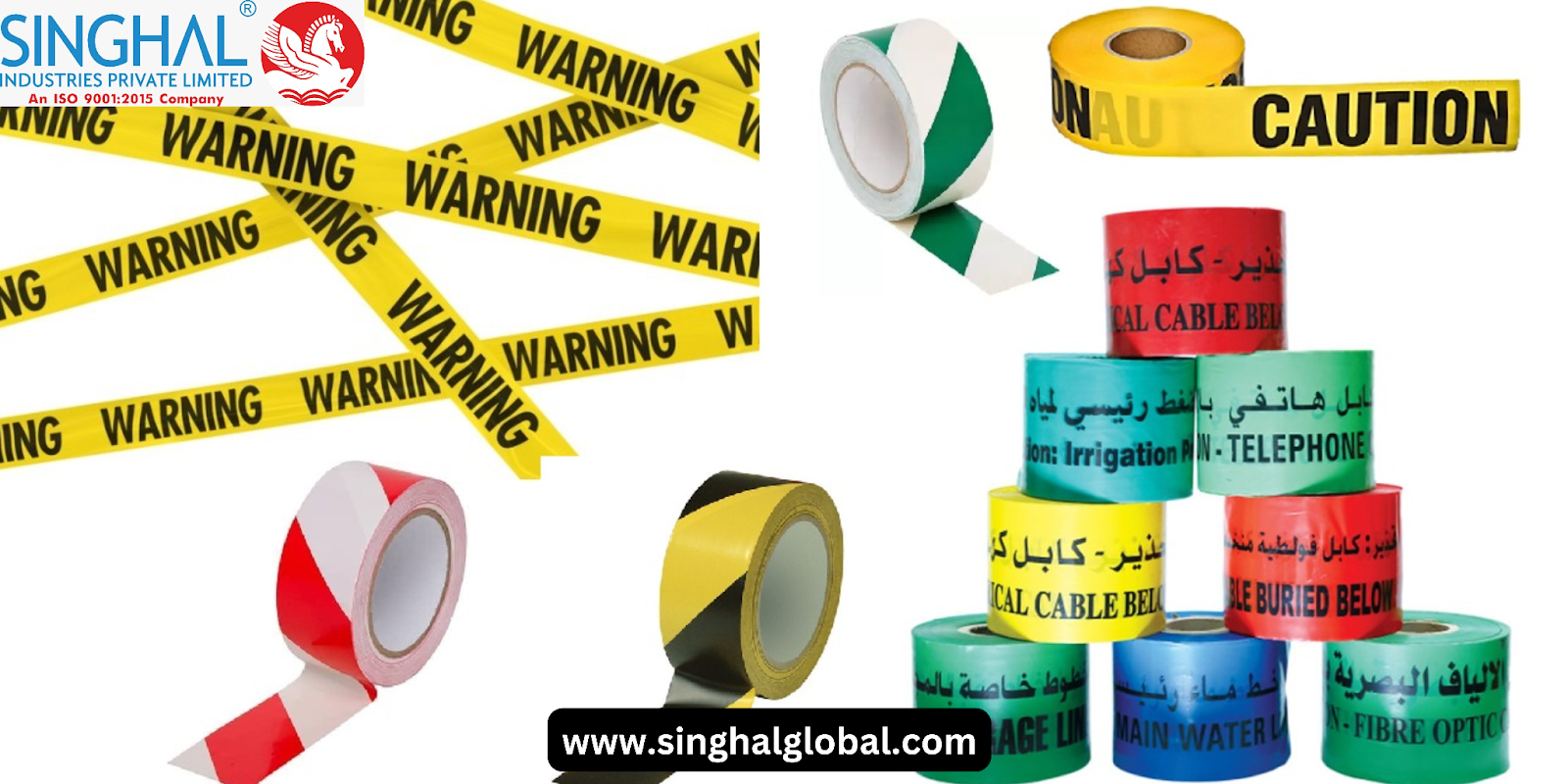
Understanding Warning Tape are Essential Safety Tools for a Secure Environment

Warning tape is an essential component of safety protocols across numerous industries, from construction to event management, and even withi...