Wednesday, September 18, 2024

The Ultimate Guide to Plastic Tree Guards for Optimal Plant Protection

Plastic tree guards play a critical role in safeguarding saplings and young Tree guard net manufacturers from various threats, including animals, harsh weather conditions, and mechanical damage. In this guide, we’ll explore the benefits, features, and pricing of plastic tree guards, with a focus on tree guard net manufacturers, tree protection net suppliers, and insights into PVC tree guard prices.

What are Plastic Tree Guards and Why are They Important?

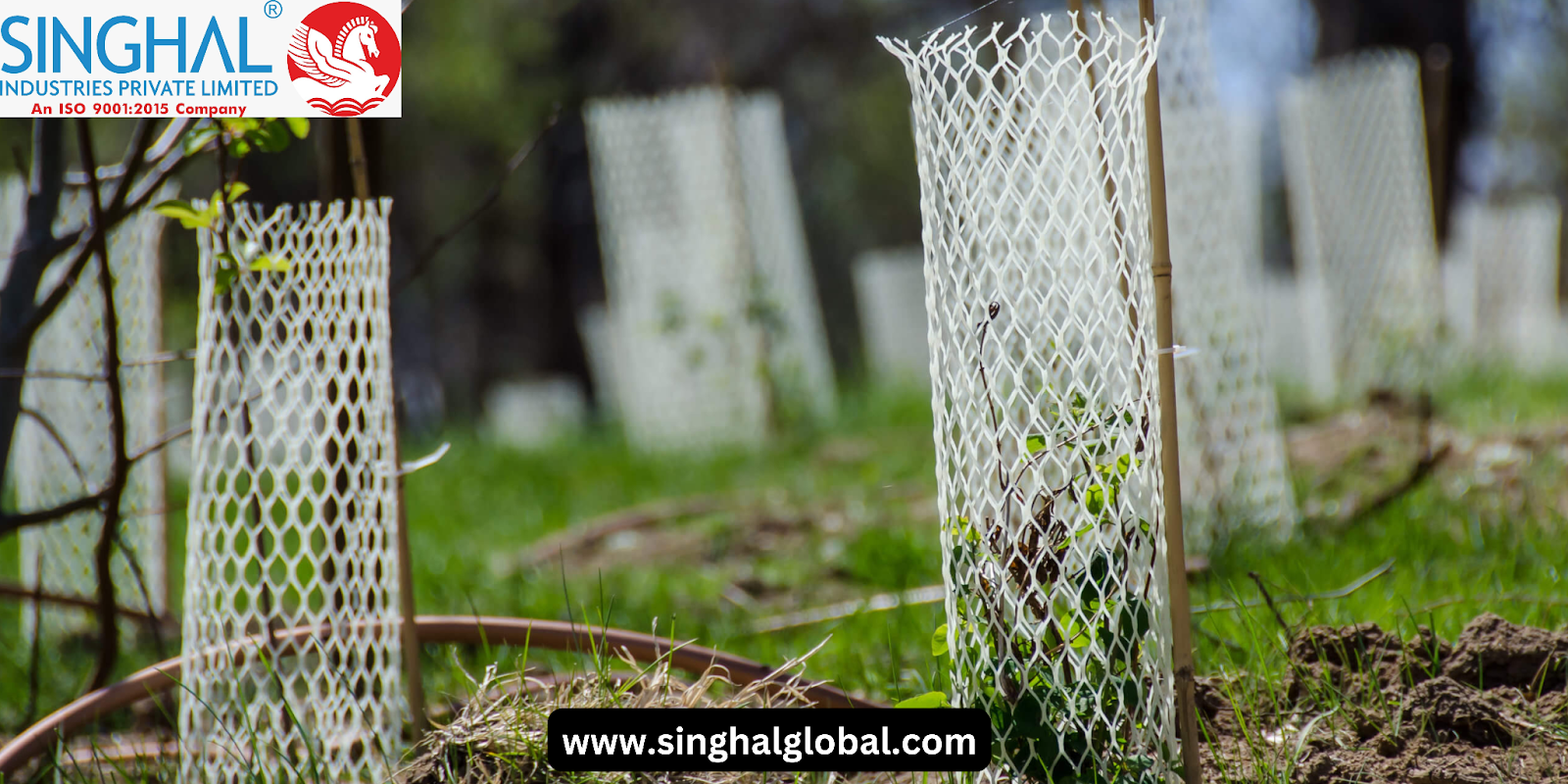
Plastic tree guards are protective barriers designed to shield young trees during their vulnerable growth stages. Made from durable plastic or PVC, these guards form a physical barrier that prevents animals, such as deer and livestock, from damaging the tree bark or uprooting saplings. They also offer protection from environmental factors like wind and excessive sunlight, ensuring healthier growth.

Tree guards are often netted for better air circulation, which promotes healthy tree growth by allowing moisture and nutrients to pass through while still offering adequate protection. As a result, the use of plastic tree guards can significantly increase the survival rates of young trees.

Types of Plastic Tree Guards

Mesh Tree Guards

Mesh tree guards, made from lightweight plastic materials, are ideal for areas where animal protection is a primary concern. They are designed with openings that allow for the passage of air and light, supporting the growth of the tree while keeping animals at bay.

  • Pros: Easy to install, cost-effective, and provide excellent airflow.

  • Cons: May not offer complete protection from extreme weather conditions.

Solid Plastic Tree Guards

These tree guards provide a more robust layer of protection compared to mesh guards. Often made from rigid PVC, they create a solid, opaque barrier around the tree trunk, ensuring that animals and mechanical equipment can't harm the sapling.

  • Pros: Excellent protection against both animals and machinery. Highly durable.

  • Cons: Slightly more expensive and may limit airflow compared to mesh versions.

Spiral Tree Guards

Spiral tree guards are designed to wrap around the trunk of the tree. These are commonly used in urban and semi-urban settings, where mechanical damage from lawnmowers and trimmers is a concern. The spiral design allows for easy installation and expansion as the tree grows.

  • Pros: Easy to install, adjustable as the tree grows, and offers targeted protection.

  • Cons: Not suitable for very young or fragile saplings.

Top Benefits of Using Plastic Tree Guards

Animal Protection

One of the most common reasons for using plastic tree guards is to protect saplings from animals. Whether it’s grazing cattle, wild deer, or even domestic pets, animals can cause significant damage to young trees. Plastic guards create an effective barrier without harming the animals.

UV Resistance

PVC tree guards are often treated with UV stabilizers, which means they won't degrade under prolonged sun exposure. This ensures that the tree guard remains intact and effective for several seasons, providing continuous protection.

Easy Installation and Maintenance

Plastic tree guards are incredibly easy to install. Most designs are flexible and lightweight, making it simple to wrap or attach them to saplings without the need for specialized tools. Additionally, they require minimal maintenance once installed.

Cost-Effective Solution

Compared to other forms of tree protection, such as metal cages or wooden barriers, plastic tree guards are much more affordable. The Tree protection net supplier varies based on size, material quality, and design, but they typically provide excellent value for money.

Promotes Healthy Growth

Many plastic tree guards are designed to allow for air and moisture circulation, preventing the growth of mold or mildew on the tree trunk. This ensures that the tree can continue to absorb the nutrients it needs for optimal growth.
Factors to Consider When Choosing a Plastic Tree Guard

Size and Height

The size of the tree guard is crucial. For larger animals like deer, you'll need a taller guard, typically around 1.5 to 2 meters. For smaller animals, such as rabbits, shorter guards will suffice. It's also essential to consider the width to ensure the guard fits snugly around the tree without restricting growth.

Material Quality

Not all plastic tree guards are created equal. When selecting a tree guard, it's important to choose high-quality plastic or PVC materials that are UV-resistant and durable enough to withstand the elements.

Design and Airflow

Some tree guards feature a mesh design, which allows for better airflow and water penetration. Others are solid, which may be necessary in more extreme conditions. Choose a design based on your specific environment and the tree species.

Environmental Impact

Many plastic tree guards are now made from recycled materials, making them an eco-friendly option. Consider choosing guards that have minimal environmental impact, especially if you're using them in natural or protected areas.

How to Install Plastic Tree Guards

The installation process for plastic tree guards is straightforward:

  1. Prepare the Ground: Ensure that the area around the tree is clear of weeds, grass, or debris.

  2. Position the Guard: Place the guard around the base of the tree, ensuring that there’s enough space for the tree to grow.

  3. Secure the Guard: Depending on the design, you may need to tie or stake the guard into the ground. Make sure it’s sturdy enough to withstand wind or animal interference.

  4. Monitor Growth: Periodically check the guard to ensure that it isn’t restricting the tree’s growth. Adjust or replace the guard as needed.

PVC Tree Guard Price Considerations

The PVC tree guard price can vary widely depending on factors such as size, material, and quantity. Generally, bulk purchases from tree protection net suppliers tend to offer the best value. Here’s a rough breakdown of prices based on different types of guards:

  • Mesh Tree Guards: $5 - $15 per guard (depending on size and thickness)

  • Solid PVC Tree Guards: $10 - $25 per guard

  • Spiral Tree Guards: $3 - $10 per guard

For larger projects, such as reforestation or landscaping, purchasing tree guards in bulk can significantly reduce costs. It's also worth exploring different Pvc tree guard price to compare pricing and material quality.

Conclusion: Invest in Plastic Tree Guards for Long-Term Tree Health

Protecting young trees is crucial for ensuring long-term growth and sustainability. Plastic tree guards, whether mesh, solid, or spiral, offer a cost-effective and efficient way to shield saplings from animals, weather, and mechanical damage. When purchasing tree guards, it’s important to consider size, material, design, and the PVC tree guard price to ensure you’re making the best investment for your trees.

FAQs About Plastic Tree Guards

What is a plastic tree guard?

A plastic tree guard is a protective barrier, often made from PVC or other durable plastics, designed to shield young trees from damage caused by animals, weather, or mechanical equipment. These guards help ensure the healthy growth of saplings during their early stages.

Why should I use a plastic tree guard?

Plastic tree guards protect young trees from animals, such as deer, rabbits, or cattle, that may feed on or damage them. They also provide defense against wind, excessive sunlight, and mechanical harm from lawnmowers or trimmers.

What are the types of plastic tree guards available?

Common types of plastic tree guards include mesh tree guards, solid PVC tree guards, and spiral tree guards. Each type offers different levels of protection and airflow, so the right choice depends on the specific needs of your trees and environment.

Can tree guards harm the tree?

When installed correctly, plastic tree guards should not harm the tree. It's important to ensure there’s enough space for the tree to grow within the guard. Regularly check and adjust the guard to avoid any restriction or damage.

How long do plastic tree guards last?

Most plastic tree guards are designed to last several years. Those made from UV-resistant PVC are particularly durable and can withstand prolonged sun exposure without degrading. However, it’s essential to monitor them and replace them if they become damaged.

Wednesday, September 11, 2024

ABS Plastic Sheets is a Versatile Material for Modern Applications

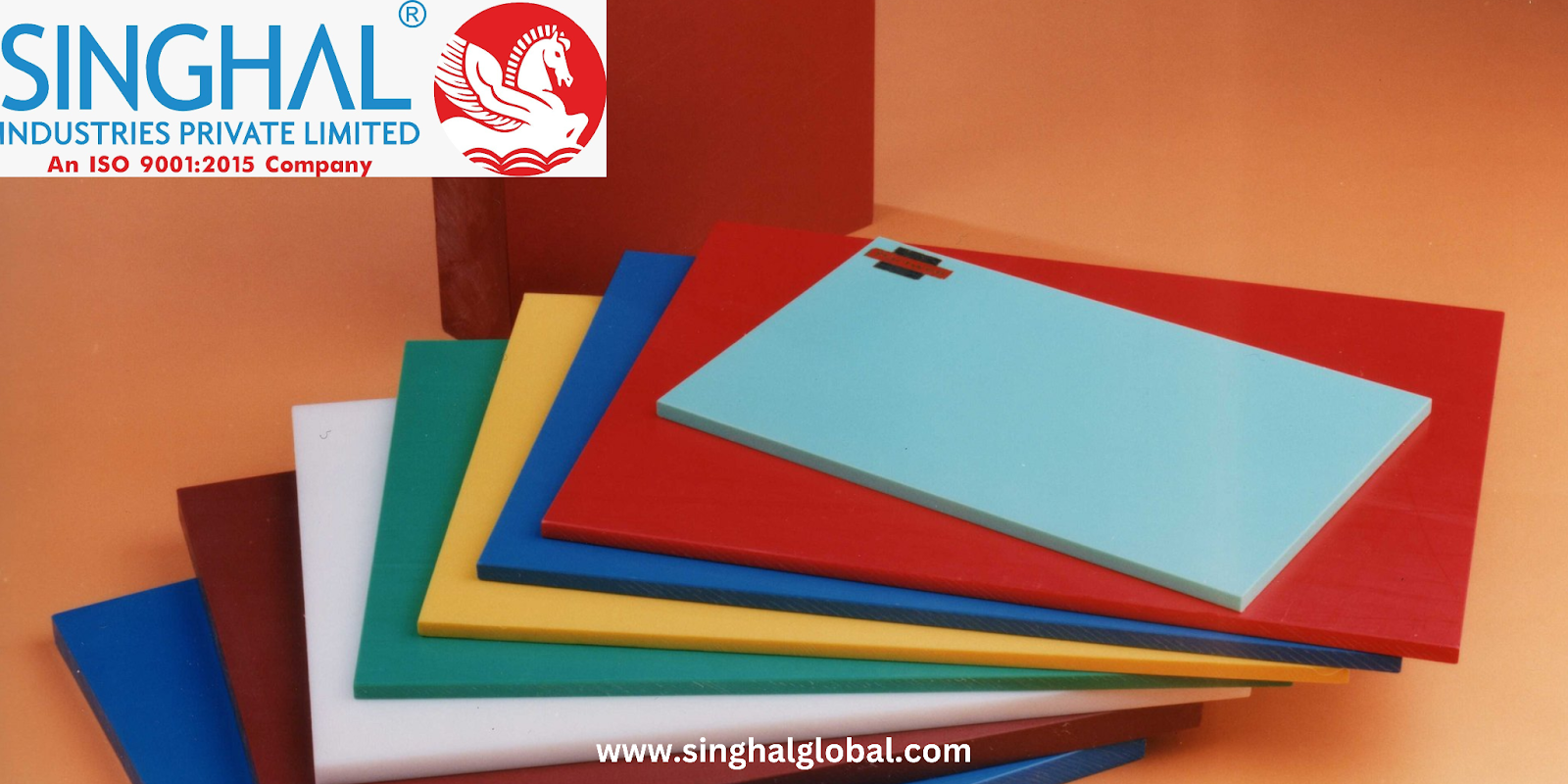
ABS (Acrylonitrile Butadiene Styrene) plastic sheets are a highly versatile material used across a wide array of industries. Known for their strength, flexibility, and durability, these plastic sheets have become indispensable in sectors ranging from automotive to consumer electronics. In this article, we’ll explore the various uses of Plastic sheet 4x8 exporter, their properties, and why they continue to be a preferred material for manufacturers globally.

What is ABS Plastic?

ABS Composition

ABS is a thermoplastic polymer made from three distinct monomers: acrylonitrile, butadiene, and styrene. Each contributes unique properties: acrylonitrile adds chemical resistance, butadiene provides toughness, and styrene offers a smooth finish.

Properties of ABS Plastic

ABS is known for its excellent impact resistance, heat stability, and good electrical insulation properties. It's also lightweight, making it easy to transport and handle, while maintaining structural integrity.

Applications of ABS Plastic Sheets

Automotive Industry

ABS is extensively used in the automotive industry for making interior trim, dashboards, and external parts like bumpers due to its durability and ability to withstand extreme temperatures.

Construction and Building Materials

In construction, ABS plastic sheets are used for wall panels, pipe fittings, and decorative trim. Their moisture resistance and strength make them ideal for both indoor and outdoor use.

Consumer Electronics

The material is commonly used in consumer electronics for housing components like keyboards, televisions, and smartphones because of its impact resistance and aesthetic appearance.

Benefits of Using ABS Plastic Sheets

Durability

ABS plastic sheets are highly durable, resistant to physical impacts, and capable of withstanding harsh environmental conditions.

Cost-effectiveness

Compared to other plastics like polycarbonate or PVC, ABS is relatively affordable while offering excellent performance for most applications.

Versatility in Applications

From industrial machinery to home appliances, ABS plastic sheets can be used for a wide variety of applications, adding to their versatility.

ABS Plastic vs. Other Plastics

ABS vs. Polycarbonate

Polycarbonate is more resistant to heat and chemicals than ABS, but it comes at a higher price. ABS is preferred when cost is a consideration without sacrificing essential performance qualities.

ABS vs. PVC

While PVC is more flexible and suited for plumbing applications, ABS provides better impact resistance, making it a better choice for applications where durability is key.

Standard Sizes for ABS Plastic Sheets

Common Dimensions (e.g., 4x8 Sheets)

ABS plastic sheets are commonly available in 4x8 feet sizes, making them a standard choice for large-scale projects and easy to transport.

Thickness Variations

Thickness can vary, with common options ranging from 1/8 inch to 1/4 inch, depending on the intended use and required strength.

How to Cut and Shape ABS Plastic Sheets

Cutting Techniques

ABS plastic sheets can be cut using standard tools like saws or laser cutters, depending on the precision required.

Shaping Methods

The thermoplastic nature of Plastic panels 4x8 manufacturer allows it to be easily shaped when heated, making it suitable for vacuum forming and molding into complex designs.

Exporting ABS Plastic Sheets

Global Market Overview

The global demand for ABS plastic sheets continues to rise, driven by their broad range of uses in various industries.

Plastic Sheet 4x8 Exporters

Numerous companies specialize in exporting plastic sheets, especially the 4x8 variety, to international markets, catering to industries from construction to automotive.

ABS Plastic in the Packaging Industry

Role in Packaging Design

ABS sheets are increasingly being used in packaging design, particularly for durable and reusable containers.

Environmental Impact

While ABS is not biodegradable, it is recyclable, making it a more environmentally conscious option compared to other single-use plastics.

Plastic Panels 4x8: Uses and Popularity

Common Applications of Plastic Panels

Plastic panels sized at 4x8 feet are widely used in industries such as signage, construction, and vehicle interiors.

Demand in Global Markets

The demand for plastic panels has grown exponentially due to their durability, ease of use, and adaptability across sectors.

ABS Plastic for Prototyping and Modeling

3D Printing with ABS Plastic

ABS is one of the most popular materials used in 3D printing for creating durable prototypes, models, and parts.

Prototyping in the Manufacturing Process

ABS plastic sheets are often used in the initial stages of product development for testing and refinement purposes.

How ABS Plastic Contributes to Sustainability

Recyclability of ABS Plastic

ABS can be recycled multiple times, making it an environmentally friendly option compared to some other plastics.

Eco-Friendly Alternatives

Some manufacturers are developing ABS alternatives that are more eco-friendly, incorporating bio-based materials.

ABS Plastic Products Supplier Overview

Industry Leaders

Several industry leaders supply ABS plastic products, offering innovative solutions for a wide range of industrial applications.

Supply Chain Insights

Understanding the supply chain of ABS plastic products can help businesses optimize their procurement processes and stay competitive in global markets.

Case Study: Automotive Industry

Use of ABS in Car Parts

ABS plastic is widely used in the automotive industry for making both interior and exterior car parts, due to its lightweight yet durable nature.

Advantages for Automakers

Automakers benefit from using ABS plastic sheets, as it offers a balance of cost, performance, and ease of manufacturing.

Future of ABS Plastic in Various Industries

Technological Advancements

Innovations in ABS production, such as improved recyclability and eco-friendly formulations, are driving its adoption across new sectors.

Future Trends

The future of Abs plastic products supplier looks promising with the material set to play an even more significant role in sustainable manufacturing practices.

Conclusion

ABS plastic sheets are a highly versatile, durable, and cost-effective solution for a wide range of applications across industries. From automotive parts to construction materials, ABS continues to be a preferred choice for manufacturers and designers alike.

FAQs About ABS Plastic Sheets

What are the common uses of ABS plastic sheets?
ABS plastic sheets are commonly used in industries such as automotive (for car parts), construction (for panels and fittings), and consumer electronics (for device casings). They are also popular in prototyping and 3D printing.

How durable are ABS plastic sheets?
ABS plastic sheets are highly durable, resistant to impacts, and capable of withstanding extreme temperatures. This makes them ideal for use in environments where strength and toughness are essential.

Can ABS plastic sheets be recycled?
Yes, ABS plastic is recyclable. Although it is not biodegradable, it can be recycled multiple times, making it a more sustainable choice compared to other single-use plastics.

How do ABS plastic sheets compare to other types of plastic?
ABS plastic is more impact-resistant than many plastics like PVC and is more affordable than polycarbonate. Its balance of durability and cost-effectiveness makes it a preferred choice for many industries.

What sizes are ABS plastic sheets available in?
ABS plastic sheets are available in various sizes, with the 4x8 feet sheets being one of the most common. They also come in different thicknesses, typically ranging from 1/8 inch to 1/4 inch.


Thursday, September 5, 2024

Comprehensive Guide to PE Film is From Material to Packaging

Polyethylene (PE) film is a versatile material used in various industries for packaging, protection, and insulation purposes. Made from Pe film supplier in Delhi, one of the most common plastics in the world, PE film offers an excellent balance of durability, flexibility, and cost-effectiveness, making it an ideal choice for many applications.

Importance of PE Film in Various Industries

PE film plays a crucial role in industries such as packaging, agriculture, construction, and healthcare. Its adaptability to different uses and environments makes it indispensable, from protecting crops to packaging food products.

Types of PE Film

Low-Density Polyethylene (LDPE)

LDPE is known for its flexibility and resilience. It is widely used in packaging applications like plastic bags and film wraps due to its ability to stretch and conform to various shapes.

High-Density Polyethylene (HDPE)

HDPE is recognized for its strength and rigidity, making it suitable for products that require more durability, such as containers, bottles, and heavy-duty liners.

Linear Low-Density Polyethylene (LLDPE)

LLDPE combines the benefits of LDPE and HDPE, offering excellent tensile strength and flexibility. It is often used in stretch films and packaging that need to endure stress without breaking.

Medium-Density Polyethylene (MDPE)

MDPE provides a balance between LDPE and HDPE, offering moderate strength and flexibility. It is commonly used in gas pipes and shrink film applications.

Applications of PE Film

Packaging Industry

PE film is widely used in the packaging industry for products ranging from food items to consumer goods. Its lightweight nature and protective properties make it a preferred choice for manufacturers and exporters.

Agricultural Sector

In agriculture, PE film is used for mulching, greenhouse covers, and silage wrapping. Its ability to protect crops from harsh weather conditions and pests enhances yield and efficiency.

Construction Industry

PE film serves as a moisture barrier, vapor retarder, and protective covering in the construction industry. Its durability and resistance to environmental factors make it ideal for protecting materials on job sites.

Medical and Healthcare Uses

In the healthcare sector, PE film is used in disposable gloves, medical packaging, and protective coverings, where hygiene and safety are paramount.

Advantages of PE Film

Durability and Strength

PE film offers excellent durability, capable of withstanding various environmental conditions and mechanical stresses. Its strength makes it suitable for applications requiring long-term protection.

Versatility and Flexibility

The flexibility of PE film allows it to be molded into various shapes and sizes, making it adaptable for different uses across industries.

Cost-Effectiveness

PE film is an economical solution for many applications, providing significant cost savings without compromising on quality and performance.

Environmental Impact and Sustainability

While traditional PE film has environmental concerns, advancements in recycling and biodegradable PE films are improving its sustainability, making it a more eco-friendly option.

Challenges in PE Film Production

Quality Control Issues

Maintaining consistent quality in PE film production can be challenging due to variations in raw materials and processing conditions. Rigorous quality control measures are essential to ensure product reliability.

Environmental Concerns

The production and disposal of PE film pose environmental challenges, particularly related to plastic waste. Efforts to reduce, recycle, and innovate biodegradable options are ongoing to address these issues.

Market Competition

The PE film market is highly competitive, with numerous players vying for market share. Differentiating products through innovation and quality is key to staying ahead.

Role of PE Film Suppliers in Delhi

Overview of the PE Film Market in Delhi

Delhi is a significant hub for PE film suppliers, catering to various industries across the region. The demand for high-quality PE film has led to the growth of numerous suppliers in the market.

Key Players in the Market

Several key players dominate the PE film market in Delhi, offering a range of products tailored to different industry needs. These suppliers focus on delivering quality products while maintaining competitive pricing.

How Suppliers Ensure Quality

To ensure the quality of Pe film material manufacturer, suppliers in Delhi implement strict quality control measures, from raw material selection to the final product inspection. This commitment to quality helps them maintain a strong market position.

PE Film Material Manufacturing Process

Raw Material Sourcing

The production of PE film begins with sourcing high-quality polyethylene resins, which form the base material for the film. The quality of these raw materials directly impacts the final product's performance.

Extrusion Process

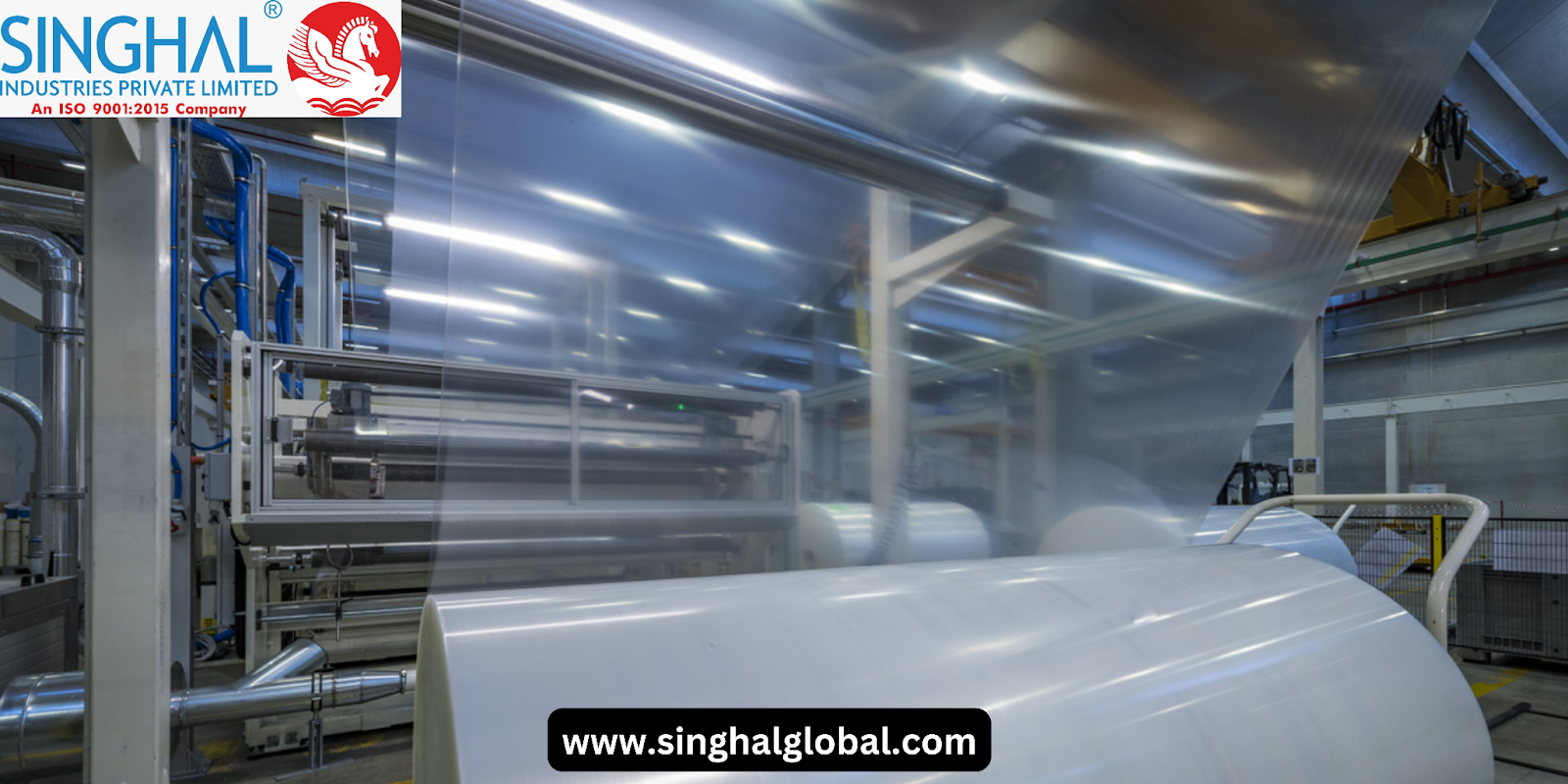
The extrusion process involves melting the polyethylene resin and forcing it through a die to create a thin, continuous film. This process is critical in determining the film's thickness, strength, and clarity.

Film Blowing Techniques

Film blowing is a technique used to produce PE film by inflating a molten tube of polymer to form a bubble. This method allows for the production of thin, uniform films suitable for various applications.

Quality Assurance Protocols

Quality assurance in PE film manufacturing involves rigorous testing at each production stage to ensure the film meets specific standards for strength, flexibility, and durability.

Exporting Plastic Film Packaging

Global Demand for Plastic Film Packaging

The global demand for plastic film packaging is growing, driven by the need for lightweight, durable, and cost-effective packaging solutions. PE film is at the forefront of meeting this demand.

Challenges in Exporting

Exporting PE film packaging involves navigating various challenges, including compliance with international regulations, logistical complexities, and competition from other global suppliers.

Export Strategies and Best Practices

Successful export strategies for PE film packaging include understanding market needs, maintaining high product quality, and establishing strong distribution networks.

Case Studies and Expert Insights

Case Study: A Leading PE Film Supplier's Success Story

A leading PE film supplier in Delhi successfully expanded its market share by focusing on innovation and customer service. This case study highlights the strategies that led to their success.

Expert Insights on the Future of PE Film

Experts predict that the PE film industry will continue to evolve, with advancements in sustainable materials and production techniques driving future growth.

Future Trends in PE Film Industry

Innovations in PE Film Materials

Innovation in PE film materials is focused on enhancing performance, reducing environmental impact, and meeting the changing needs of various industries.

Impact of Environmental Regulations

Environmental regulations are increasingly shaping the PE film industry, pushing manufacturers to adopt greener practices and develop eco-friendly products.

Future Market Predictions

The future of the PE film market looks promising, with continued growth expected due to rising demand in packaging, construction, and other key industries.

Practical Applications and Tips

How to Choose the Right Type of PE Film for Your Needs

Choosing the right Plastic film packaging exporter involves understanding the specific requirements of your application, such as durability, flexibility, and environmental impact.

Practical Tips for PE Film Usage in Packaging

When using PE film for packaging, consider factors such as film thickness, sealing capabilities, and compatibility with the packaged product to ensure optimal performance.

Conclusion

PE film is a versatile and essential material used across various industries, from packaging to construction. Understanding its types, applications, and production processes can help businesses make informed decisions. As the PE film industry continues to evolve, staying informed about the latest trends and innovations is crucial for businesses looking to leverage this material for their needs.

Frequently Asked Questions (FAQs)

What are the main types of PE film?

The main types of PE film include LDPE, HDPE, LLDPE, and MDPE, each offering different properties suitable for various applications.

How is PE film made?

PE film is made through processes like extrusion and film blowing, where polyethylene resins are melted and formed into thin films.

What industries use PE film the most?

PE film is widely used in industries such as packaging, agriculture, construction, and healthcare due to its versatility and protective properties.

How sustainable is PE film?

While traditional PE film poses environmental challenges, advancements in recycling and biodegradable options are improving its sustainability.

What should I consider when choosing a PE film supplier?

When choosing a PE film supplier, consider factors such as product quality, industry reputation, and the ability to meet specific application needs.


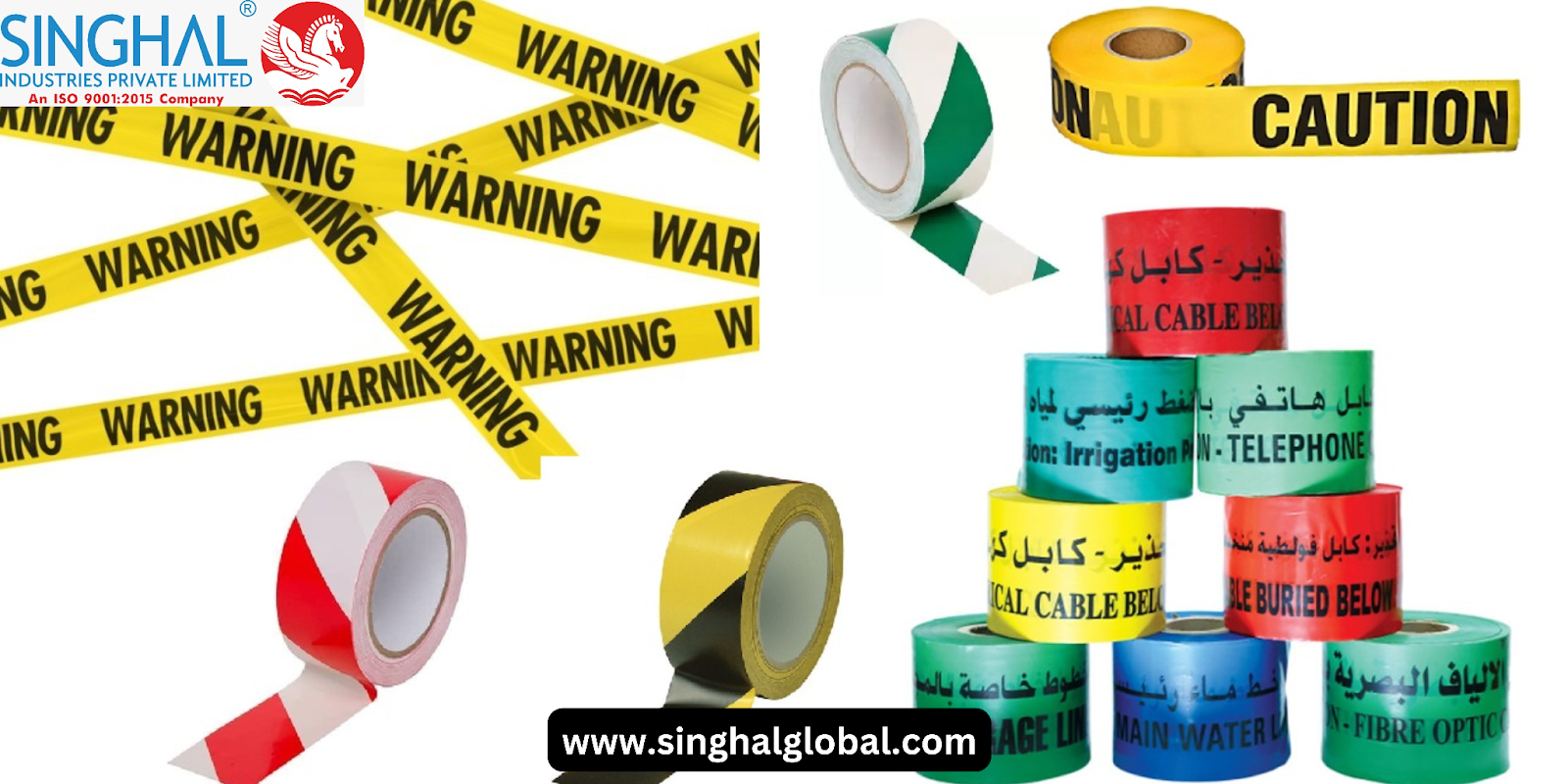
Understanding Warning Tape are Essential Safety Tools for a Secure Environment

Warning tape is an essential component of safety protocols across numerous industries, from construction to event management, and even withi...