Wednesday, August 7, 2024

How to Choose and Use Grow Bags for Efficient Gardening

Grow bags are versatile containers used for growing plants. Grow bags online in India are made from various materials such as fabric, plastic, or biodegradable substances, offering an alternative to traditional pots and garden beds.

Importance and Relevance of Grow Bags

Grow bags are increasingly popular among gardeners and farmers due to their portability, space efficiency, and ability to improve root health. They are particularly valuable for urban gardening and small spaces.

Benefits of Using Grow Bags

Using grow bags provides numerous benefits, including better aeration, improved drainage, and ease of use. They also help in managing soil conditions and preventing root diseases.

Purpose of the Article

This article aims to provide a comprehensive guide to grow bags, covering everything from types and features to buying tips and real-life success stories. Whether you're a home gardener or a commercial farmer, you'll find valuable information here.

Types and Categories of Grow Bags

Fabric Grow Bags

Fabric grow bags are breathable and provide excellent drainage and aeration. They are ideal for root health and can be reused multiple times.

Plastic Grow Bags

Plastic grow bags are durable and often used for their affordability and ease of cleaning. They are available in various sizes and are great for short-term planting needs.

Biodegradable Grow Bags

Biodegradable grow bags are eco-friendly options that decompose naturally over time. They are perfect for environmentally conscious gardeners.

DIY Grow Bags

DIY grow bags can be made from materials like old clothes or burlap sacks. They offer a cost-effective and customizable solution for gardeners.

Grow Bags for Vegetables

Specialized grow bags are designed for growing vegetables, providing the right depth and space for root development.

Grow Bags for Herbs

Herb grow bags are usually smaller and can be placed on windowsills or balconies, making them perfect for urban gardening.

Grow Bags for Flowers

Flower grow bags come in various sizes and shapes, ideal for ornamental gardening and creating beautiful displays.

Customizable Grow Bags

Some grow bags can be customized in terms of size, material, and features, allowing gardeners to meet their specific needs.

Features of Grow Bags

Material Quality

High-quality materials ensure the durability and effectiveness of grow bags. Look for UV-resistant and breathable fabrics for the best results.

Size and Capacity

Grow bags come in various sizes and capacities, suitable for different plants and gardening spaces. Choose the right size based on your planting needs.

Drainage and Aeration

Good drainage and aeration are crucial for healthy root development. Fabric grow bags excel in these areas, preventing waterlogging and promoting root growth.

Durability and Reusability

Durable grow bags can be reused for several growing seasons, making them a cost-effective option for gardeners.

Environmental Impact

Consider the environmental impact of the grow bags you choose. Biodegradable options are excellent for eco-conscious gardeners.

Buying Grow Bags Online

Advantages of Buying Online

Buying grow bags online offers convenience, a wide selection, and competitive prices. You can easily compare different products and read customer reviews.

Trusted Online Retailers

Look for reputable online retailers that specialize in gardening supplies. Some well-known platforms include Amazon, Home Depot, and specialized gardening websites.

Comparison of Prices

Compare prices across different websites to find the best deals. Look for discounts and bulk purchase options to save money.

Customer Reviews and Ratings

Read customer reviews and ratings to ensure the quality of the grow bags you are considering. Look for detailed feedback on durability and performance.

Tips for Safe Online Shopping

Ensure safe online shopping by purchasing from secure websites, checking return policies, and verifying the seller's credibility.

Grow Bags Wholesale Online

Benefits of Buying Wholesale

Buying grow bags wholesale can significantly reduce costs, especially for commercial farmers and community gardens. It also ensures a consistent supply of grow bags.

How to Find Reliable Wholesale Suppliers

Research and connect with reliable wholesale suppliers through online directories, trade shows, and gardening networks.

Comparing Wholesale Prices

Compare wholesale prices from different suppliers to get the best deals. Consider factors like quality, shipping costs, and minimum order quantities.

Bulk Purchase Considerations

When buying in bulk, consider storage space, the specific needs of your plants, and the long-term benefits of having a large supply of grow bags.

Case Studies of Successful Wholesale Purchases

Learn from case studies of successful wholesale purchases to understand the benefits and potential challenges of buying Grow bags wholesale online in bulk.

Grow Bag Wholesale Price

Factors Influencing Wholesale Prices

Wholesale prices are influenced by factors such as material quality, size, order quantity, and supplier location.

Price Comparison Between Retail and Wholesale

Compare the cost savings between retail and wholesale purchases to determine the most cost-effective option for your gardening needs.

Tips for Negotiating Wholesale Prices

Negotiate prices with suppliers by discussing bulk order discounts, long-term contracts, and payment terms to get the best deal.

Best Practices for Cost-Effective Purchasing

Follow best practices for cost-effective purchasing, including planning your purchases, buying in off-seasons, and taking advantage of promotions.

Setting Up Grow Bags

Choosing the Right Grow Bag

Select the right grow bag based on your plant's needs, space availability, and environmental conditions.

Preparing the Soil Mix

Prepare a well-balanced soil mix that provides essential nutrients and ensures proper drainage for your plants.

Planting Techniques

Use appropriate planting techniques to maximize the growth and health of your plants. Ensure proper spacing and depth for each type of plant.

Watering and Fertilizing

Implement a regular watering and fertilizing schedule to maintain healthy plant growth. Adjust based on the specific needs of your plants.

Pest and Disease Management

Manage pests and diseases effectively by monitoring your plants regularly and using organic or chemical treatments as necessary.

Benefits of Grow Bags

Space Efficiency

Grow bags are ideal for maximizing space, making them perfect for small gardens, balconies, and urban settings.

Improved Root Health

The breathable fabric of grow bags promotes healthy root development and prevents root circling, common in traditional pots.

Versatility in Planting

Grow bags are versatile and can be used for a wide range of plants, including vegetables, herbs, flowers, and small trees.

Mobility and Flexibility

Easily move grow bags around to optimize sunlight exposure and rearrange your garden layout as needed.

Cost-Effectiveness

Grow bags are a cost-effective option compared to traditional pots and garden beds, especially when purchased in bulk.

Challenges and Solutions

Common Problems with Grow Bags

Some common problems include overwatering, lack of support for tall plants, and wear and tear over time.

Solutions for Overcoming Challenges

Overcome these challenges by ensuring proper drainage, using stakes or cages for support, and choosing high-quality, durable materials.

Maintenance Tips for Longevity

Maintain your grow bags by cleaning them regularly, storing them properly during off-seasons, and inspecting for damage.

Expert Advice and Best Practices

Follow expert advice and best practices to get the most out of your grow bags. This includes proper placement, soil mix, and watering techniques.

Real-Life Success Stories

Home Gardeners Using Grow Bags

Home gardeners share their success stories of using grow bags to grow vegetables, herbs, and flowers in limited spaces.

Urban Gardening with Grow Bags

Urban gardeners highlight the benefits of grow bags in creating green spaces in apartments and city environments.

Commercial Farming with Grow Bags

Commercial farmers discuss how grow bags have improved their yield and efficiency in large-scale farming operations.

Community Garden Projects

Community garden projects showcase the use of grow bags to engage local communities and promote sustainable gardening practices.

Future Trends in Grow Bags

Innovations in Grow Bag Design

New designs in grow bags focus on enhanced durability, better drainage, and eco-friendly materials.

Eco-Friendly and Sustainable Options

The market is shifting towards eco-friendly and sustainable Grow bags wholesale online, made from recycled and biodegradable materials.

Predictions for Market Growth

The grow bag market is expected to grow as more people adopt urban gardening and sustainable farming practices.

Conclusion

Grow bags are a versatile, efficient, and cost-effective solution for gardening. They offer numerous benefits, including improved root health, space efficiency, and mobility. Consider using grow bags for your gardening needs, whether you're a home gardener, urban farmer, or commercial grower. They provide a practical and sustainable option for growing a wide variety of plants.

FAQs

Why should I use grow bags instead of traditional pots?

Grow bags provide several advantages over traditional pots, including improved root health due to better aeration, prevention of root circling, excellent drainage, and space efficiency. They are also lightweight and portable, making them ideal for urban and small-space gardening.

What types of grow bags are available?

Grow bags come in various types, including fabric grow bags, plastic grow bags, biodegradable grow bags, and DIY grow bags. Each type has its own benefits and is suitable for different gardening needs.

Can I use grow bags for all types of plants?

Yes, grow bags are versatile and can be used for a wide range of plants, including vegetables, herbs, flowers, and small trees. There are specialized grow bags designed for specific plant types to ensure optimal growth conditions.


Sunday, August 4, 2024

PP Woven Bags is the Ultimate Packaging Solution for Multiple Industries

PP woven bags, made from polypropylene (PP), are one of the most versatile and widely used packaging materials in various industries. Known for their strength, durability, and cost-effectiveness, these bags have become an essential part of the packaging and transportation sectors.

Importance of PP Woven Bags in Various Industries

From agriculture to retail, and construction to packaging, Pp woven bags exporter play a crucial role in ensuring goods are stored, transported, and delivered safely. Their adaptability and customizability make them a preferred choice for businesses worldwide.

What are PP Woven Bags?

Definition and Composition

PP woven bags are made from strips of polypropylene, woven together to create a strong and durable material. This material is then used to manufacture bags of various sizes and types, suitable for different applications.

Advantages of PP Woven Bags

Durability and Strength

PP woven bags are known for their high tensile strength, making them ideal for carrying heavy loads without tearing or breaking.

Environmental Benefits

These bags are reusable and recyclable, making them an environmentally friendly option compared to single-use plastic bags.

Cost-Effectiveness

The production cost of PP woven bags is relatively low, which translates to cost savings for businesses that use them.

Versatility

PP woven bags can be customized in terms of size, shape, and design, catering to various industry needs.

Common Uses of PP Woven Bags

Agricultural Sector

In agriculture, PP woven bags are used to store and transport grains, seeds, fertilizers, and other agricultural products.

Retail and Shopping

Retailers use these bags for packaging and carrying goods due to their strength and durability.

Packaging Industry

The packaging industry relies on PP woven bags for bulk packaging of products like rice, flour, and other commodities.

Construction Industry

In construction, these bags are used for carrying sand, cement, and other building materials, thanks to their robustness.

Types of PP Woven Bags

Standard PP Woven Bags

These are the most common type, used for general purposes across various industries.

Laminated PP Woven Bags

Laminated bags offer additional protection against moisture and external elements, making them suitable for products that require extra care.

BOPP Woven Bags

BOPP woven bags have a layer of BOPP film, providing superior print quality and enhanced durability.

Gusseted PP Woven Bags

These bags have gussets (folds) on the sides, allowing them to expand and hold more volume.

Perforated PP Woven Bags

Perforated bags have small holes that allow air to pass through, making them ideal for products that need ventilation.

Key Features of PP Woven Bags

Customizability

PP woven bags can be customized with different sizes, colors, prints, and designs to meet specific business needs.

UV Resistance

These bags can be treated with UV stabilizers to protect the contents from harmful UV rays, extending the shelf life of the products inside.

Water Resistance

PP woven bags can be made water-resistant, making them suitable for storing and transporting goods in various weather conditions.

Reusability

Due to their durability, Pp woven bags manufacturer can be reused multiple times, offering significant cost savings and environmental benefits.

PP Woven Bags Exporter Insights

Global Market Trends

The global market for PP woven bags is growing, driven by increasing demand from various industries such as agriculture, retail, and construction.

Leading Exporting Countries

Countries like China, Vietnam, and Turkey are leading exporters of PP woven bags, supplying to markets worldwide.

Key Players in the Export Market

Some of the key players in the PP woven bags export market include LC Packaging, Muscat Polymers, and Indaco.

Challenges Faced by Exporters

Exporters face challenges such as fluctuating raw material prices, stringent environmental regulations, and competition from other packaging materials.

PP Woven Bags Manufacturer Insights

Leading Manufacturing Countries

Countries with advanced manufacturing capabilities, such as China, India, and Vietnam, dominate the production of PP woven bags.

Major Manufacturers in the Market

Major manufacturers include companies like Ad*Star, MegaSack, and UFlex.

Innovations in Manufacturing

Innovations in the manufacturing process, such as automated weaving and lamination techniques, are improving the efficiency and quality of PP woven bags.

Quality Control Measures

Strict quality control measures are implemented to ensure the bags meet industry standards for strength, durability, and safety.

PP Woven Bags Manufacturer in Ahmedabad

Overview of the Industry

Ahmedabad is a major hub for PP woven bag manufacturing, known for its advanced production facilities and skilled workforce.

Key Manufacturers

Some key manufacturers in Ahmedabad include Raj Packwell Ltd, Shree Maruti Impex, and Aditya Flexipack.

Unique Selling Points

Manufacturers in Ahmedabad are known for their high-quality products, competitive pricing, and ability to customize bags according to client requirements.

Market Demand and Trends

The demand for PP woven bags from Ahmedabad is driven by industries such as agriculture, retail, and construction, with trends showing a shift towards more sustainable and reusable packaging options.

Environmental Impact of PP Woven Bags

Sustainability Aspects

PP woven bags are considered sustainable due to their reusability and recyclability. They help reduce the reliance on single-use plastics.

Recycling and Reusability

These bags can be recycled at the end of their life cycle, reducing environmental waste and promoting a circular economy.

Comparison with Other Materials

Compared to materials like paper and cotton, PP woven bags offer a better balance of strength, durability, and environmental impact.

Case Studies and Success Stories

Successful Implementation in Agriculture

Farmers in various countries have successfully used PP woven bags to store and transport their produce, reducing spoilage and losses.

Retail Success Stories

Retailers have benefited from the use of PP woven bags by offering sturdy and reusable options to their customers, enhancing customer satisfaction.

Packaging Innovations

Innovations in PP woven bag design have led to improved packaging solutions for various products, ensuring better protection and presentation.

Construction Industry Applications

Construction companies have successfully used PP woven bags to transport and store materials, leading to increased efficiency and reduced costs.

Expert Insights on PP Woven Bags

Industry Expert Opinions

Experts in the packaging industry highlight the versatility and cost-effectiveness of PP woven bags as key factors driving their popularity.

Future Trends and Predictions

The future of PP woven bags looks promising, with trends pointing towards increased demand for eco-friendly and sustainable packaging solutions.

Innovations to Watch For

Innovations such as biodegradable Pp woven bag manufacturer in Ahmedabad and improved recycling techniques are expected to shape the future of the industry.

Conclusion

Summary of Key Points

PP woven bags offer numerous benefits, including durability, cost-effectiveness, and environmental sustainability. Their versatility makes them suitable for a wide range of industries.

Future Outlook for PP Woven Bags

The demand for PP woven bags is expected to continue growing, driven by advancements in manufacturing and increasing awareness of sustainable packaging solutions.

FAQs

What are the benefits of using PP Woven Bags?

The benefits include high strength, durability, cost-effectiveness, and environmental sustainability.

What industries use PP Woven Bags?

Industries such as agriculture, retail, packaging, and construction use PP woven bags.

Are PP Woven Bags environmentally friendly?

Yes, they are reusable and recyclable, making them an environmentally friendly option.

Who are the major manufacturers of PP Woven Bags?

Major manufacturers include companies like LC Packaging, Muscat Polymers, and Indaco.

How can I choose the right PP Woven Bag for my needs?

Consider factors such as the type of product, required strength, and environmental conditions when choosing a PP woven bag.


Friday, August 2, 2024

The Ultimate Guide to PP Spunbond Nonwoven Fabric

 In the world of textiles and materials, polypropylene (PP) spunbond nonwoven fabric stands out for its unique combination of strength, versatility, and cost-effectiveness. This fabric, made from polypropylene fibers, is used in a wide range of applications, from industrial uses to everyday consumer products. In this comprehensive guide, we’ll explore what PP Spun bond fabric manufacturer is, its benefits, manufacturing process, and its various applications.


What is PP Spunbond Nonwoven Fabric?

PP spunbond nonwoven fabric is a type of nonwoven textile made from polypropylene, a thermoplastic polymer. Unlike traditional woven or knitted fabrics, nonwoven fabrics are created by bonding fibers together through mechanical, thermal, or chemical processes. Spunbond non woven fabric to the specific manufacturing process used to create the fabric, where polypropylene fibers are spun into continuous filaments and then bonded together to form a strong, durable material.

The Manufacturing Process

The process of making PP spunbond nonwoven fabric involves several key steps:

  1. Fiber Extrusion: Polypropylene pellets are heated and melted to form a molten polymer. This molten polymer is then extruded through spinnerets to create fine fibers.

  2. Spinning: The molten polypropylene is spun into continuous filaments that are collected on a moving belt or conveyor.

  3. Web Formation: The filaments are laid out in a random or oriented pattern to form a web. This web can be formed using various methods such as air laying, carding, or wet laying.

  4. Bonding: The web of fibers is then bonded together using heat, pressure, or adhesive. In the case of spunbond fabric, the bonding is primarily achieved through a thermal process where the filaments are fused together.

  5. Finishing: The fabric is then subjected to various finishing processes, such as calendaring or embossing, to enhance its properties and appearance.

Benefits of PP Spunbond Nonwoven Fabric

PP spunbond nonwoven fabric offers several advantages that make it a preferred choice for many applications:

1. Durability and Strength

One of the most notable features of PP spunbond nonwoven fabric is its durability. The continuous filaments used in its production provide high tensile strength, making the fabric resistant to tearing and stretching. This durability makes it suitable for use in products that require a robust material.

2. Lightweight and Flexible

Despite its strength, PP spunbond fabric is lightweight and flexible. This characteristic makes it easy to handle and process, and it can be used in a variety of applications without adding unnecessary weight.

3. Breathability and Moisture Resistance

The fabric's structure allows for excellent breathability, making it ideal for applications where air circulation is important. Additionally, PP spunbond fabric is moisture-resistant, which helps prevent the growth of mold and mildew, enhancing its suitability for use in humid environments.

4. Cost-Effectiveness

PP spunbond nonwoven fabric is a cost-effective solution due to its efficient production process and the relatively low cost of polypropylene. This affordability makes it accessible for a wide range of applications, from industrial uses to consumer products.

5. Eco-Friendly Options

Many manufacturers, including Singhal Industries, offer PP spunbond fabrics made from recycled polypropylene. This eco-friendly option helps reduce the environmental impact of plastic waste and supports sustainable practices.

Applications of PP Spunbond Nonwoven Fabric

The versatility of PP spunbond nonwoven fabric means it is used in a diverse range of applications:

1. Medical and Hygiene Products

In the medical and hygiene sectors, PP spunbond fabric is commonly used to make items such as surgical gowns, face masks, and bed linens. Its strength, breathability, and resistance to fluids make it an ideal choice for these applications, where cleanliness and protection are crucial.

2. Agricultural Uses

In agriculture, PP spunbond fabric is used for weed control fabrics, crop protection covers, and greenhouse films. The fabric’s breathability allows plants to grow while protecting them from pests and extreme weather conditions.

3. Packaging

The packaging industry uses PP spunbond fabric for making bags, sacks, and wraps. Its durability ensures that it can hold various products securely, while its flexibility allows for easy customization and branding.

4. Construction

In the construction industry, PP spunbond fabric is used as a geotextile material for soil stabilization and erosion control. Its strength and resistance to environmental factors make it suitable for use in construction projects that require reliable performance.

5. Consumer Products

PP spunbond nonwoven fabric is also used in various consumer products, including reusable shopping bags, apparel linings, and home textiles. Its versatility and ease of processing make it a popular choice for products that benefit from a lightweight and durable material.

Choosing the Right PP Spunbond Nonwoven Fabric

When selecting PP spunbond nonwoven fabric for your needs, consider the following factors:

1. Application Requirements

Determine the specific requirements of your application, such as strength, breathability, and moisture resistance. Choose a fabric that meets these criteria to ensure optimal performance.

2. Thickness and Weight

Consider the thickness and weight of the fabric. Thicker fabrics provide greater durability and strength, while lighter fabrics are more flexible and easier to handle.

3. Customization Options

If customization is important, look for manufacturers that offer options for color, texture, and printing. Customization can enhance the functionality and appearance of the fabric for specific applications.

4. Environmental Considerations

If sustainability is a priority, choose fabrics made from recycled polypropylene or those that are recyclable. This helps reduce the environmental impact and supports eco-friendly practices.

5. Quality and Reliability

Select a reputable supplier known for producing high-quality PP spunbond fabric. Ensure that the fabric meets industry standards and performs well in your intended application.

Conclusion

PP spunbond nonwoven fabric is a versatile and cost-effective material that offers numerous benefits across a wide range of applications. Its durability, lightweight nature, and moisture resistance make it suitable for use in medical, agricultural, packaging, construction, and consumer products. By understanding the manufacturing process, Spunbond fabric manufacturer in India, and applications of PP spunbond nonwoven fabric, you can make informed decisions about its use in your projects. Whether you're looking for a reliable material for industrial applications or a flexible fabric for consumer products, PP spunbond nonwoven fabric provides a practical solution that meets modern demands.

Frequently Asked Questions (FAQs):

1. What makes Singhal Industries' PP spunbond nonwoven fabric a preferred choice for various applications?

Singhal Industries' PP spunbond nonwoven fabric stands out due to its exceptional durability and versatility. The fabric is made using high-quality polypropylene fibers, which provide excellent tensile strength, making it suitable for demanding applications. Additionally, Singhal Industries ensures that their fabric is lightweight, flexible, and resistant to moisture, enhancing its functionality in diverse uses such as medical supplies, agricultural coverings, and packaging. The company’s commitment to using recycled materials also adds an eco-friendly aspect to their products.

2. How does Singhal Industries ensure the quality and reliability of their PP spunbond nonwoven fabric?

Singhal Industries places a strong emphasis on quality control throughout the manufacturing process of their PP spunbond nonwoven fabric. The company utilizes advanced production techniques and conducts rigorous testing to ensure that the fabric meets high industry standards. Each batch of fabric is inspected for its strength, breathability, and consistency. Singhal Industries' focus on quality assurance ensures that their fabric performs reliably in various applications, whether for medical use, agriculture, or consumer products.

3. Can Singhal Industries' PP spunbond nonwoven fabric be customized for specific needs or applications?

Yes, Singhal Industries offers customization options for their PP spunbond nonwoven fabric to meet specific needs and applications. Customers can choose from various thicknesses, colors, and finishes to suit their requirements. Additionally, Singhal Industries provides custom printing services, allowing businesses to incorporate branding or design elements into the fabric. This flexibility ensures that the fabric can be tailored to fit a wide range of applications, from industrial uses to consumer products, while also enhancing its functionality and visual appeal.

Thursday, August 1, 2024

Exploring PP Sheets are Comprehensive Guide to Types, Uses, and Benefits

PP sheets, also known as polypropylene sheets, are versatile materials widely used in various industries. Their unique properties, such as durability, chemical resistance, and flexibility, make them a popular choice for many applications. In this article, we will explore the different aspects of Pp sheet manufacturer in India, including their types, uses, benefits, and more. 

What Are PP Sheets?

PP sheets are made from polypropylene, a thermoplastic polymer known for its toughness and resistance to many chemicals. These sheets come in various thicknesses, sizes, and colors, making them suitable for a wide range of applications. PP sheets are commonly used in packaging, automotive parts, medical devices, and more.

Types of PP Sheets

Homopolymer PP Sheets

Homopolymer PP sheets are made from a single type of polypropylene polymer. They are known for their rigidity and are often used in applications requiring high strength and stiffness.

Copolymer PP Sheets

Copolymer PP sheets are made from a blend of propylene and ethylene. These sheets are more flexible than homopolymer PP sheets, making them suitable for applications requiring impact resistance.

Filled PP Sheets

Filled PP sheets contain fillers such as glass fibers or minerals, which enhance their properties. These sheets are often used in applications requiring high mechanical strength.

Foamed PP Sheets

Foamed PP sheets are lightweight and have excellent insulation properties. They are commonly used in packaging and automotive industries.

Key Properties of PP Sheets

Chemical Resistance

PP sheets are resistant to a wide range of chemicals, making them ideal for use in environments where chemical exposure is a concern.

High Impact Strength

PP sheets offer excellent impact resistance, making them suitable for applications where durability is crucial.

Lightweight

PP sheets are lightweight, which makes them easy to handle and transport.

Thermal Stability

PP sheets can withstand high temperatures, making them suitable for use in high-temperature applications.

Applications of PP Sheets

Packaging

PP sheets are widely used in the packaging industry for creating boxes, trays, and other packaging materials. Their durability and resistance to moisture make them ideal for protecting products during transit.

Automotive Industry

In the automotive industry, Polypropylene sheet price in India are used to manufacture various parts, such as dashboards, door panels, and battery covers. Their lightweight and high impact strength make them an excellent choice for automotive applications.

Medical Devices

PP sheets are used in the medical field for creating devices such as syringes, test tubes, and surgical trays. Their chemical resistance and ability to be sterilized make them ideal for medical applications.

Construction

In the construction industry, PP sheets are used for creating formwork, insulation panels, and other building materials. Their durability and resistance to moisture make them suitable for outdoor applications.

Stationery and Office Supplies

PP sheets are also used to make folders, binders, and other office supplies. Their durability and flexibility make them an excellent choice for creating long-lasting stationery items.

Benefits of Using PP Sheets

Cost-Effective

PP sheets are generally more affordable compared to other materials, making them a cost-effective choice for various applications.

Recyclable

PP sheets are recyclable, which makes them an environmentally friendly option.

Versatility

PP sheets can be easily molded into different shapes and sizes, making them versatile for various applications.

Ease of Fabrication

PP sheets can be easily cut, welded, and joined, making them easy to work with during the manufacturing process.

How to Choose the Right PP Sheet

Consider the Application

The first step in choosing the right PP sheet is to consider the specific application. Different types of PP sheets have different properties, so it's essential to select the one that best meets the requirements of your project.

Thickness and Size

PP sheets come in various thicknesses and sizes. Consider the thickness and size requirements for your application to ensure you choose the right sheet.

Color Options

PP sheets are available in a variety of colors. Choose a color that best suits your project's aesthetic requirements.

Cost Considerations

The cost of PP sheets can vary based on factors such as thickness, size, and type. Consider your budget when selecting the right PP sheet.

Understanding Polypropylene Sheet Price in India

Factors Affecting the Price

Several factors can affect the price of polypropylene sheets, including the type of PP sheet, thickness, size, and the quantity purchased. Generally, bulk purchases can result in lower prices per sheet.

Comparing Prices

When looking for polypropylene sheets 4x8 price, it's essential to compare prices from different suppliers. This comparison can help you find the best deal and ensure you get quality sheets at a reasonable price.

Budgeting for Your Project

When planning a project, it's crucial to budget for the cost of materials, including Polypropylene sheets 4x8 price. Consider the overall cost, including any additional processing or customization needed.

Conclusion

PP sheets are a versatile and cost-effective material widely used in various industries. Whether you're looking for a PP sheet manufacturer in India or interested in the polypropylene sheet price in India, this guide provides all the essential information you need. From understanding the different types of PP sheets to exploring their various applications, this comprehensive guide covers it all. Remember to consider the specific requirements of your project when choosing the right PP sheet to ensure optimal performance and cost-effectiveness.

FAQs About PP Sheets

What are the common uses of PP sheets?

PP sheets are commonly used in packaging, automotive parts, medical devices, construction, and stationery.

Are PP sheets recyclable?

Yes, PP sheets are recyclable, making them an environmentally friendly option.

What factors affect the cost of polypropylene sheets in India?

The cost can be affected by the type of PP sheet, thickness, size, and quantity purchased.

How can I find a reliable PP sheet manufacturer?

Look for manufacturers with good reviews, a solid reputation, and certifications that ensure quality standards.

Can PP sheets be customized?

Yes, PP sheets can be customized in terms of size, thickness, and color to meet specific project requirements.


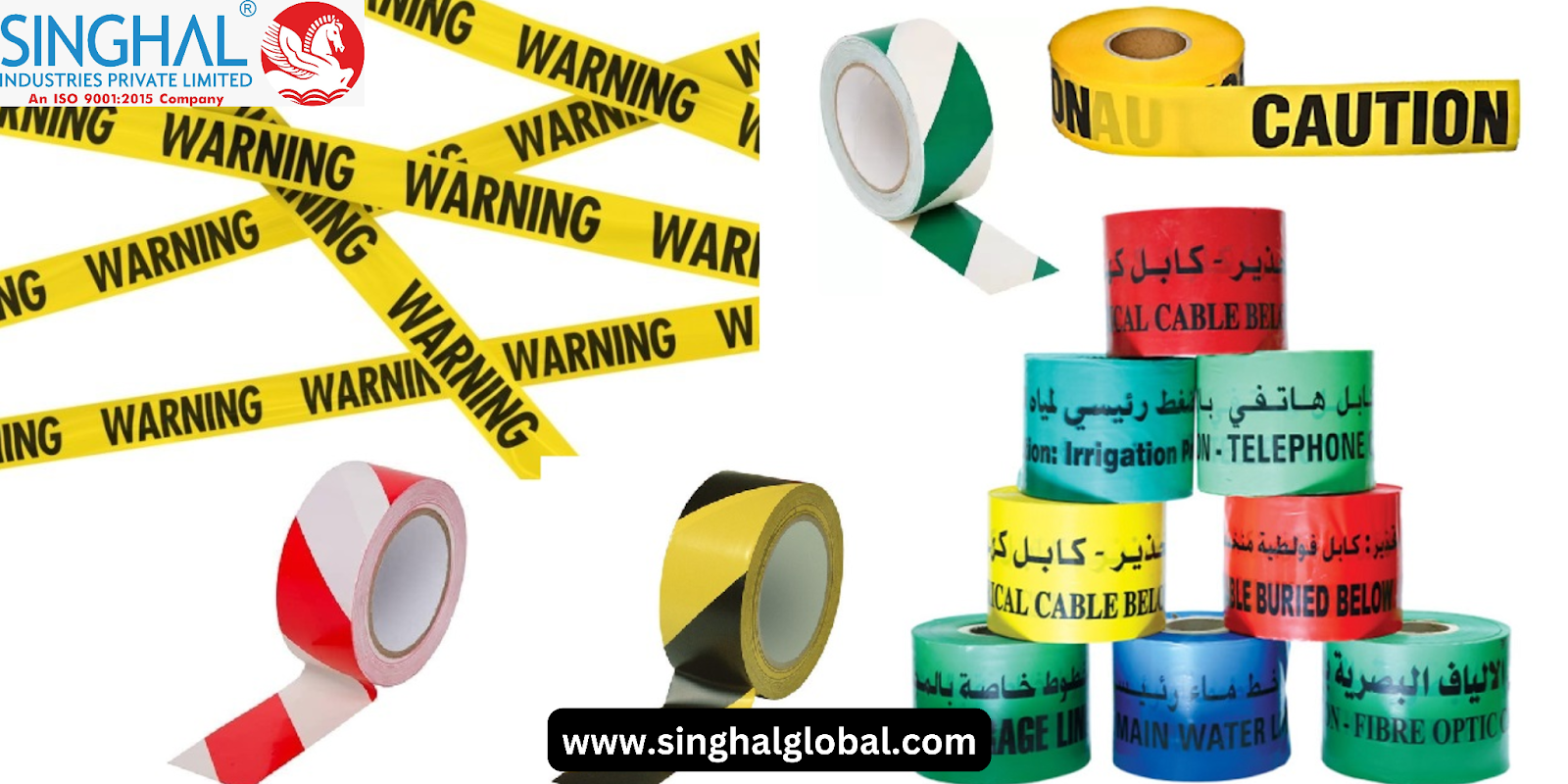
Understanding Warning Tape are Essential Safety Tools for a Secure Environment

Warning tape is an essential component of safety protocols across numerous industries, from construction to event management, and even withi...