Tuesday, March 5, 2024

Unraveling the Expertise of Mesh Bag and Leno Bag Manufacturers

Mesh bags and Leno bags have become essential packaging solutions for various industries, offering durability, breathability, and versatility. In this comprehensive overview, we'll delve into the world of mesh bag and Leno bag manufacturers Singhal Industries - Manufacturer of Flexible Packaging Product, exploring their expertise, production processes, and the diverse applications of their products.

Understanding Mesh Bag and Leno Bag Manufacturers

Mesh bag manufacturers specialize in producing bags made from woven mesh fabric, typically constructed from materials such as polypropylene or HDPE (High-Density Polyethylene). Leno bag manufacturers, on the other hand, focus on manufacturing bags with a unique Leno weave, characterized by a diamond-shaped mesh pattern, offering enhanced strength and breathability.

Expertise of Mesh Bag and Leno Bag Manufacturers

  1. Material Selection: Manufacturers carefully select high-quality materials suitable for the intended application, ensuring durability, strength, and resistance to environmental factors.
  2. Weaving Process: Mesh bag and Leno bag manufacturers employ advanced weaving techniques to create fabric with precise mesh patterns, optimizing strength, breathability, and aesthetic appeal.
  3. Customization Capabilities: Manufacturers offer customization options such as bag size, color, printing, and closures to meet specific customer requirements and branding needs.
  4. Quality Assurance: Manufacturers implement stringent quality control measures throughout the production process to ensure the consistency and reliability of their bags, adhering to industry standards and customer expectations.

Applications of Mesh Bags and Leno Bags

  1. Produce Packaging: Mesh bags and Leno bags manufacturer are widely used for packaging fruits, vegetables, and agricultural produce, providing ventilation and visibility while protecting contents during storage and transportation.
  2. Firewood and Kindling: Mesh bags and Leno bags are utilized for packaging firewood, kindling, and other bulk materials, offering breathability and easy handling for consumers.
  3. Shellfish and Seafood: Mesh bags are commonly used in the seafood industry for packaging shellfish such as oysters, clams, and mussels, facilitating water drainage and maintaining product freshness.
  4. Construction and Industrial: Leno bags find applications in the construction and industrial sectors for packaging sand, gravel, debris, and other bulk materials, offering strength and durability in demanding environments.

Sustainability Initiatives

Mesh bag and Leno bags manufacturers are increasingly focusing on sustainability initiatives, including the use of recycled materials, eco-friendly production processes, and reusable bag designs, contributing to environmental conservation efforts and meeting consumer demand for sustainable packaging solutions.

Conclusion

Mesh bag and Leno bag manufacturers play a vital role in providing packaging solutions that meet the diverse needs of industries worldwide. With their expertise in material selection, weaving processes, customization capabilities, and commitment to quality assurance, these manufacturers deliver durable, reliable, and sustainable bags for various applications. By partnering with reputable mesh bag and Leno bag manufacturers, businesses can optimize their packaging solutions, enhance product visibility, and meet the evolving demands of consumers and industries.

Frequently Asked Questions

1. What are mesh bags and leno bags, and what are their primary uses?

  • Mesh bags and leno bags are types of flexible packaging made from woven or knitted polypropylene (PP) or polyethylene (PE) fabric. These bags feature an open mesh or leno weave design that allows for airflow and visibility of the contents. Mesh bags are commonly used for packaging and transporting agricultural products such as fruits, vegetables, and seafood, while leno bags are used for packaging items such as onions, potatoes, firewood, and industrial products.

2. Who are some manufacturers of mesh bags and leno bags?

  • Several manufacturers specialize in the production of mesh bags and leno bags for various industries and applications. Some well-known manufacturers include Amcor plc, LC Packaging, Sinyim, Mornpackaging, and Lenzing Plastics. These manufacturers offer a wide range of mesh and leno bag solutions tailored to specific customer requirements, including custom sizes, colors, printing options, and closure mechanisms.

3. What are the advantages of using mesh bags and leno bags?

  • Mesh bags and leno bags offer several advantages for packaging and transporting a variety of products, including:
    • Breathability: The open mesh or leno weave design allows for airflow, preventing moisture buildup and maintaining product freshness during storage and transportation.
    • Visibility: Mesh bags and leno bags provide visibility of the contents, allowing for easy inspection, identification, and marketing of products.
    • Strength and durability: Mesh bags and leno bags are made from strong, tear-resistant materials, providing protection and support for the contents while minimizing the risk of damage or spoilage.
    • Lightweight: Mesh bags and leno bags are lightweight and flexible, reducing transportation costs and facilitating handling and loading operations.
    • Reusability: Many mesh bags and leno bags are designed for multiple uses and can be reused or recycled, reducing waste and environmental impact.

Monday, March 4, 2024

Protecting Nature with HDPE and Plastic Tree Guards: Benefits and Uses

Tree guards are essential for safeguarding young trees from various threats, including wildlife, harsh weather conditions, and human interference. In this blog post, we'll explore the benefits and uses of HDPE (High-Density Polyethylene) and plastic tree guards Singhal Industries - Manufacturer of Flexible Packaging Product, highlighting their role in nurturing and preserving urban greenery.

Understanding HDPE and Plastic Tree Guards

HDPE and Plastic tree guards are protective sleeves or barriers designed to encase the lower trunk of young trees, shielding them from damage and promoting healthy growth. These guards are typically lightweight, durable, and weather-resistant, providing an effective barrier against pests, rodents, herbicides, and mechanical injuries.

Benefits of HDPE and Plastic Tree Guards

Physical Protection: Tree guards create a physical barrier around young trees, preventing damage from wildlife, grazing animals, and mechanical impact such as lawn mowers or trimmers.

Temperature Regulation: The insulating properties of HDPE and plastic guards help regulate temperature around the tree trunk, protecting against frost, sunscald, and temperature fluctuations.

Herbicide Protection: Tree guards prevent contact with herbicides and chemicals used in landscaping maintenance, reducing the risk of damage to the tree's bark and root system.

Wind and Storm Protection: During severe weather events, tree guards provide additional support and protection against wind, hail, and falling debris, reducing the risk of tree damage or uprooting.

Common Uses of HDPE and Plastic Tree Guards

HDPE tree guards find various applications in:

Urban Landscaping: Protecting young trees planted along sidewalks, streets, parks, and urban green spaces from pedestrian traffic and vehicular damage.

Orchards and Nurseries: Safeguarding fruit trees and saplings in orchards and nurseries from browsing animals, sun damage, and mechanical injuries.

Reforestation Projects: Supporting tree establishment and growth in reforestation and afforestation projects by minimizing damage from wildlife and environmental factors.

Installation and Maintenance Tips

Proper Sizing: Choose tree guards that provide adequate clearance around the tree trunk to allow for growth and prevent girdling.

Secure Installation: Ensure tree guards are securely anchored to the ground to prevent displacement by wind or wildlife.

Regular Inspection: Periodically inspect tree guards for damage, wear, or signs of pest activity, and replace or repair as needed.

Seasonal Adjustments: Adjust tree guards seasonally to accommodate changes in tree growth and environmental conditions.

Conclusion

HDPE and Tree guard plastic are indispensable tools for protecting young trees and promoting healthy growth in urban and natural environments. By providing physical protection against wildlife, weather, and human interference, these guards play a crucial role in nurturing and preserving urban greenery and contributing to the sustainability of our ecosystems. With proper installation and maintenance, HDPE and plastic tree guards offer long-lasting protection and support for the trees that enrich our communities and enhance our quality of life. 

Frequently Asked Questions

1. What is an HDPE tree guard, and how does it protect trees?
An HDPE tree guard is a protective sleeve or enclosure made from high-density polyethylene (HDPE) plastic, designed to shield young trees from environmental stressors and physical damage. These guards typically consist of a cylindrical or conical structure that surrounds the lower trunk of the tree, forming a barrier against grazing animals, mechanical injury, and herbicide drift. HDPE tree guards provide a physical barrier while allowing for air and water exchange, promoting healthy growth and development of the tree.

2. What are the benefits of using HDPE tree guards compared to other materials?
HDPE tree guards offer several advantages over traditional materials such as metal or wood. Firstly, HDPE is lightweight, durable, and resistant to rot, corrosion, and UV degradation, ensuring long-term protection without the need for frequent replacement. Additionally, HDPE tree guards are flexible and can expand as the tree grows, eliminating the risk of constriction and damage to the trunk. They are also easy to install and remove, making them convenient for both temporary and permanent tree protection applications.

3. How are HDPE tree guards installed and maintained?
HDPE tree guards are typically installed by sliding them over the lower trunk of the tree and securing them in place using zip ties, stakes, or clips. It's important to position the tree guard at a height that allows for adequate ventilation and prevents moisture buildup or pest infestation. Periodic inspection and maintenance of the tree guard are recommended to ensure proper fit, especially as the tree grows in size. HDPE tree guards can be cleaned with mild soap and water as needed to remove dirt and debris.

4. What sizes and configurations are available for HDPE tree guards?
HDPE tree guards come in various sizes and configurations to accommodate different tree species, trunk diameters, and environmental conditions. Common sizes range from small guards suitable for saplings and seedlings to larger guards designed for mature trees. Some tree guards are straight-walled cylinders, while others have a tapered or flared design to provide additional stability and protection. Additionally, manufacturers may offer customizable options for color, height, and ventilation features to meet specific project requirements.


Tuesday, February 27, 2024

TPU Film: Understanding Price, Manufacturers, and Applications


Thermoplastic polyurethane (TPU) film is a remarkable material offering incredible versatility across various industries. With properties like flexibility, durability, and abrasion resistance, it's an ideal choice for numerous applications. If you're exploring TPU film for your project Singhal Industries - Manufacturer of Flexible Packaging Product, this blog will delve into prices, top manufacturers in India, and its diverse applications.

TPU Film: The Cost Factor

The price of TPU film manufacturers in india can vary depending on several factors, including:

Type: TPU films come in two main types: polyester-based and polyether-based. Polyether TPU generally offers better hydrolysis resistance but may be slightly more expensive.

Thickness: Film thickness is typically measured in microns or millimeters, and a thicker film will usually be pricier.

Additives and features: Manufacturers can add special features to TPU films such as UV stabilizers, flame retardants, or antimicrobial properties. These can all affect the final price.

Quantity: As with many materials, purchasing in bulk can result in discounted pricing.

Finding the Right Manufacturer in India

India has a thriving TPU Thermoplastic polyurethane sheet film manufacturing sector. Here are some notable manufacturers to consider:

Singhal Industries: (https://www.singhalglobal.com/products/tpu-film-thermoplastic-polyurethane-film) A leading player with a wide range of TPU film products.

Perfect Polymers: (https://www.perfectpolymers.com/tpu-film.html) Specializes in extruded TPU films with a focus on customization.

Bathija Zip House: (https://www.bathijaziphouse.com/tpu-film.html) Offers a selection of TPU films for various applications.

Anil Associates: (https://www.anilassociates.com/tpu-film-supplier-thermoplastic-polyurethane-films/) A supplier known for sourcing high-quality TPU films from trusted manufacturers.

When choosing a manufacturer, be sure to inquire about:

Available types and thicknesses

Minimum order quantities

Customization and special features

Quality certifications and testing procedures

The Diverse Applications of TPU Film

The unique properties of TPU film make it suitable for a wide range of uses, including:

Protective coatings: TPU films safeguard surfaces from scratches, abrasion, and weathering.

Textiles: Used in sportswear, footwear, and rain gear for its breathability and waterproof properties.

Medical: TPU film can be used in medical devices, wound dressings, and inflatable components.

Automotive: TPU films find use in car interiors, exterior coatings, and under-the-hood components.

Industrial: Its strength and flexibility make it ideal for conveyor belts, seals, and gaskets.

Conclusion

TPU film is a powerful and versatile material, and understanding its pricing and manufacturers is key to finding the best solution for your needs. While exploring the world of TPU film price, don't forget to research the vast applications it offers to unlock its full potential!

Frequently Asked Questions

1. What factors influence the price of TPU film?
The price of TPU (Thermoplastic Polyurethane) film can vary based on several factors. These include the thickness and width of the film, the quality and type of TPU material used, the manufacturing process, and market demand. Additionally, factors such as customization, special features (e.g., UV resistance, flame retardancy), and order volume can also impact the final price of TPU film.

2. Can you provide a list of TPU film manufacturers in India?
While I can't provide real-time information on specific manufacturers, you can find a list of TPU film manufacturers in India by conducting an online search or referring to industry directories and trade publications. Some well-known manufacturers of TPU film globally include Covestro, BASF, and Huntsman Corporation, among others, who may also have a presence in India.

3. What are the key characteristics of thermoplastic polyurethane (TPU) sheet?
TPU sheets are known for their excellent abrasion resistance, flexibility, and durability. They offer high tensile strength and elongation properties, making them suitable for applications requiring resilience and impact resistance. TPU sheets are also resistant to oils, greases, and chemicals, making them ideal for use in demanding environments.

4. What are some common applications of TPU film and sheet?
TPU film and sheet are used in a wide range of applications across industries. Common uses include protective film for electronic devices, medical films and sheets for wound dressings and surgical drapes, inflatable structures such as air mattresses and rafts, automotive components, and flexible packaging for food and non-food products.


Sunday, February 25, 2024

Exploring Polypropylene Yarn: Manufacturers and Applications


Polypropylene (PP) yarn is a versatile synthetic fiber known for its strength, durability, and resistance to moisture and chemicals. In this article, we delve into the world of polypropylene yarn Singhal Industries - Manufacturer of Flexible Packaging Product, highlighting its manufacturers, uses, and the production of PP fabric.

Understanding Polypropylene Yarn

What is Polypropylene Yarn?
Polypropylene yarn is a type of synthetic fiber derived from polypropylene resin. It is produced through a process called extrusion, where molten polypropylene is forced through a spinneret to form continuous filaments. These filaments are then twisted or spun together to create yarns of various thicknesses and strengths.

Manufacturers of Polypropylene Yarn:

Global Players: Leading Polypropylene yarn manufacturers of polypropylene yarn include multinational companies such as Dow Chemical Company, ExxonMobil Chemical, and SABIC.

Regional Suppliers: Many countries have their own polypropylene yarn manufacturers catering to local demand and specific industry requirements.

Applications of Polypropylene Yarn

Polypropylene yarn uses finds extensive use in various industries and applications, including:

Textiles: PP yarn is commonly used in the textile industry for producing a wide range of fabrics, including upholstery, carpets, ropes, and geotextiles. Its lightweight, moisture-resistant, and quick-drying properties make it suitable for outdoor and performance textiles.

Packaging: PP yarn is utilized in the production of woven polypropylene bags and sacks, which are widely used for packaging agricultural products, grains, fertilizers, and industrial goods. These bags offer strength, tear resistance, and breathability, making them ideal for bulk packaging and transportation.

Geotextiles: PP yarn is employed in the manufacturing of geotextiles used in civil engineering and construction projects. Geotextiles made from polypropylene provide erosion control, soil stabilization, and filtration properties, making them essential for retaining walls, embankments, and landscaping applications.

Automotive: PP yarn is used in automotive interiors for producing upholstery fabrics, seat covers, and carpeting materials. Its durability, resistance to abrasion, and colorfastness make it suitable for withstanding the rigors of automotive use.

Conclusion

PP fabric manufacturer is a versatile material with a wide range of applications across industries. From textiles and packaging to construction and automotive, the durability, strength, and versatility of PP yarn make it an essential component in many products and materials.

Frequently Asked Questions (FAQs)

Q: What are the advantages of using polypropylene yarn in textiles?
A: Polypropylene yarn offers several advantages, including lightweight, moisture resistance, quick-drying properties, and excellent color retention, making it suitable for outdoor and performance textiles.

Q: Is polypropylene yarn environmentally friendly?
A: Polypropylene yarn is recyclable and can be melted down and repurposed into new materials, reducing waste and promoting sustainability in textile and packaging industries.

Q: How is PP fabric manufactured?
A: PP fabric is typically produced using polypropylene yarn through processes such as weaving, knitting, or non-woven techniques. These methods allow for the creation of fabrics with different textures, strengths, and functionalities to suit various applications.


Friday, February 23, 2024

Exploring Uniaxial Geogrid for Retaining Walls


Uniaxial geogrids are essential components in the construction of retaining walls, providing reinforcement and stability to soil structures. In this article, we delve into the world of uniaxial geogrids, highlighting the best options available, discussing their applications in retaining wall construction Singhal Industries - Manufacturer of Flexible Packaging Product, and exploring the benefits of HDPE uniaxial geogrids.

Understanding Uniaxial Geogrids

What is Uniaxial Geogrid?
Best Uniaxial geogrid
is a geosynthetic material made from high-density polyethylene (HDPE) or other polymers, featuring a uni-directional design with ribs or protrusions on one side. These geogrids are primarily used to reinforce soil in one direction, offering tensile strength and confinement to prevent soil movement and retain structural integrity.

Applications in Retaining Wall Construction

Uniaxial geogrids play a vital role in the construction of various types of retaining walls, including:

Segmental Retaining Walls: Used behind segmented blocks to stabilize the soil and prevent wall failure.

Mechanically Stabilized Earth (MSE) Walls: Integrated within the soil mass to provide reinforcement and enhance stability.

Reinforced Soil Slopes: Employed to reinforce steep slopes and prevent erosion and landslide hazards.

Best Uniaxial Geogrid Options

ABC Geogrid: Known for its high-quality HDPE construction and robust tensile strength, ABC Geogrid is a top choice for engineers and contractors seeking reliable reinforcement solutions for retaining walls. Its uni-directional design ensures effective soil confinement and long-term performance.

XYZ Geogrid: XYZ Geogrid offers a wide range of uniaxial geogrid options tailored to specific project requirements. With superior engineering and stringent quality control measures, XYZ Geogrid delivers durable and cost-effective solutions for retaining wall construction projects of any scale.

Benefits of HDPE Uniaxial Geogrids

High Tensile Strength: HDPE uniaxial geogrids exhibit excellent tensile strength, providing reliable reinforcement to soil structures and retaining walls.

Chemical Resistance: HDPE materials are resistant to chemical degradation, ensuring long-term durability and performance in diverse environmental conditions.

Ease of Installation: Uniaxial geogrids are lightweight and easy to handle, facilitating quick and efficient installation, thereby reducing labor costs and construction time.

Conclusion

Uniaxial Geogrids mesh retaining wall play a crucial role in ensuring the stability and longevity of retaining walls, providing effective reinforcement and soil confinement. By selecting the best uniaxial geogrid options and adhering to proper installation practices, engineers and contractors can create durable and resilient retaining wall structures that withstand the test of time.

Frequently Asked Questions (FAQs)

Q: Are uniaxial geogrids suitable for all types of retaining walls?
A: Uniaxial geogrids are versatile and can be used in various types of retaining walls, including segmental walls, MSE walls, and reinforced soil slopes, depending on project specifications and design requirements.

Q: How do I determine the appropriate geogrid specification for my retaining wall project?
A: Geogrid specifications are determined based on factors such as soil type, wall height, loading conditions, and design requirements. Consulting with geotechnical engineers and geosynthetic experts can help in selecting the optimal geogrid solution for your project.

Q: Can uniaxial geogrids be used in conjunction with other geosynthetic materials?
A: Yes, uniaxial geogrids are often used in combination with other geosynthetic materials such as geotextiles and geomembranes to enhance soil stabilization, drainage, and erosion control in retaining wall applications.


Thursday, February 22, 2024

Exploring PPGL Sheets: Suppliers, Manufacturers, and Prices in India

PPGL (Pre-Painted Galvalume) sheets are popular roofing and cladding materials known for their durability, corrosion resistance, and aesthetic appeal. In this article, we delve into the world of PPGL sheets, highlighting the leading suppliers, manufacturers, and prices in India. Whether you're a builder, contractor, or homeowner Singhal Industries - Manufacturer of Flexible Packaging Product, understanding the PPGL sheet market is crucial for sourcing high-quality materials for your construction projects.

Understanding PPGL Sheets

PPGL sheets Supplier are made from a combination of steel substrate and a protective layer of zinc and aluminum alloy, coated with high-quality paint on both sides. This coating provides excellent corrosion resistance and ensures long-lasting performance in diverse environmental conditions. PPGL sheets come in various profiles, thicknesses, and colors, offering flexibility and versatility in architectural design.

Factors Affecting PPGL Sheet Prices

The prices of PPGL sheets price in India may vary depending on several factors, including:

Raw Material Costs: Fluctuations in the prices of steel, zinc, aluminum, and paint can impact the overall cost of PPGL sheets.

Coating Technology: Advanced coating technologies and premium paint finishes may command higher prices compared to standard options.

Customization: Customized profiles, colors, and dimensions may incur additional charges based on the complexity of the requirements.

Order Volume: Bulk orders often qualify for discounts or special pricing arrangements, offering cost savings for large-scale projects.

Conclusion

PPGL sheets offer a durable, cost-effective, and aesthetically pleasing solution for roofing, cladding, and construction applications in India. By partnering with reputable suppliers and manufacturers, customers can access high-quality PPGL sheets manufacturers india at competitive prices, backed by technical support and after-sales service. 

FAQs (Frequently Asked Questions)

Q: Are PPGL sheets suitable for coastal regions prone to salt spray and humidity?
Yes, PPGL sheets are highly suitable for coastal regions due to their excellent corrosion resistance properties. The zinc-aluminum alloy coating provides effective protection against salt spray and humidity, ensuring long-term durability and performance.

Q: Can PPGL sheets be installed over existing roofing materials?
Yes, PPGL sheets can be installed over existing roofing materials, provided the underlying structure is sound and capable of supporting the additional weight. Proper installation techniques and compatibility with existing roofing systems should be considered to ensure optimal performance and longevity.

Q: What are the maintenance requirements for PPGL sheets?
PPGL sheets require minimal maintenance, typically limited to periodic cleaning with water and mild detergent to remove dirt, debris, and environmental pollutants. Regular inspections for signs of damage or corrosion are recommended to address any issues promptly.


Wednesday, February 21, 2024

Exploring the World of PP Woven Jumbo Bags and Big Bag Manufacturers


PP woven jumbo bags, commonly known as big bags or bulk bags, are essential packaging solutions utilized across numerous industries. In this comprehensive guide, we delve into the features, applications, and benefits of PP woven jumbo bags and ventilated bulk bags. Additionally Singhal Industries - Manufacturer of Flexible Packaging Product, we explore reputable manufacturers offering high-quality big bags to meet diverse packaging requirements.

Understanding PP Woven Jumbo Bags and Ventilated Bulk Bags

Features of PP Woven Jumbo Bags
PP woven jumbo bags
are large, durable containers made from woven polypropylene fabric. They typically feature lifting loops for easy handling and transportation of bulk materials. These bags come in various sizes, capacities, and configurations to accommodate different products and packaging needs.

Benefits of Ventilated Bulk Bags

Ventilated bulk bags, also known as breathable or mesh bags, are designed with perforated fabric to allow airflow. This feature is particularly beneficial for storing or transporting products that require ventilation, such as agricultural produce, firewood, or recyclable materials. Ventilated bulk bags help prevent moisture buildup and maintain product freshness during storage and transit.

Applications of Big Bags in Various Industries

Agriculture
In the agricultural sector, PP woven jumbo bags are widely used for storing and transporting grains, seeds, fertilizers, and other bulk commodities. Their robust construction and UV-resistant properties make them ideal for outdoor storage and handling in farm environments.

Construction
Big bags manufacturers
play a crucial role in the construction industry for transporting bulk materials such as sand, gravel, aggregates, and construction debris. Their large capacity and strong, tear-resistant fabric make them indispensable for efficient material handling on construction sites.

Chemicals and Pharmaceuticals
In the chemical and pharmaceutical industries, ventilated bulk bags are utilized for packaging powders, granules, and pharmaceutical ingredients. The breathable design of these bags helps prevent condensation and moisture buildup, ensuring product quality and safety during storage and transportation.

Conclusion

PP woven jumbo bags and ventilated bulk bags are indispensable packaging solutions used across a wide range of industries for storing, transporting, and protecting bulk materials. Whether it's agricultural products, construction materials, or industrial commodities, big bags offer unparalleled versatility, durability, and cost-effectiveness. By partnering with trusted manufacturers, businesses can ensure reliable and efficient packaging solutions that meet their specific requirements and contribute to their operational success.

Frequently Asked Questions (FAQs)

Q: What are the advantages of using PP woven jumbo bags?
PP woven jumbo bags offer several advantages, including high strength, tear resistance, and UV protection. They are reusable, cost-effective, and eco-friendly alternatives to traditional packaging materials like paper or plastic.

Q: How do ventilated bulk bags differ from standard bulk bags?
Ventilated bulk bags feature perforated fabric panels that allow airflow, preventing moisture buildup and maintaining product freshness. Standard bulk bags, on the other hand, are solid-walled and do not offer ventilation.

Q: Can big bags be customized to meet specific packaging requirements?
Yes, many big bag manufacturers offer customization options, including size, capacity, fabric weight, lifting configurations, and printing. Customized big bags can be tailored to suit the unique needs of different industries and applications.


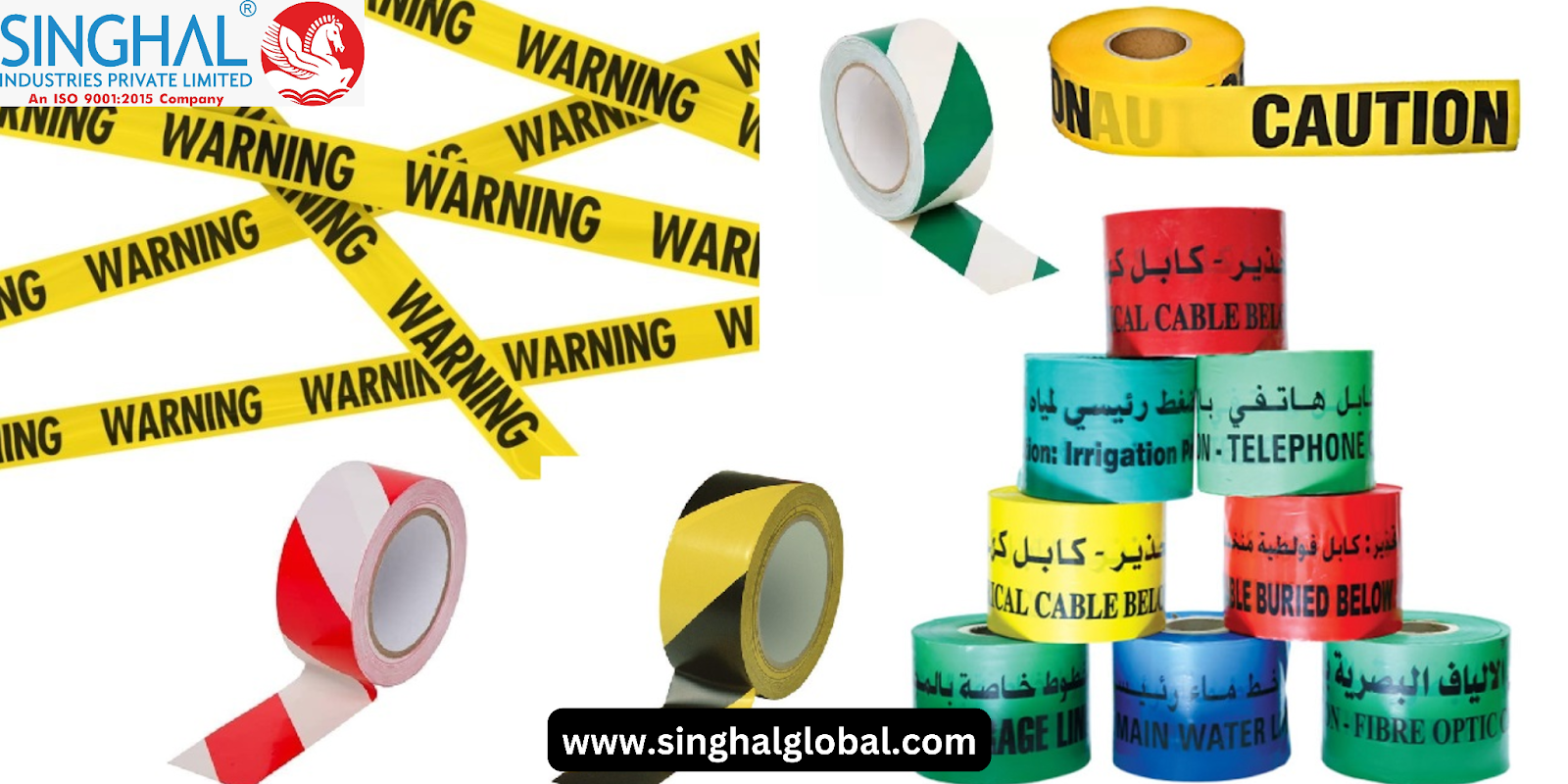
Understanding Warning Tape are Essential Safety Tools for a Secure Environment

Warning tape is an essential component of safety protocols across numerous industries, from construction to event management, and even withi...